
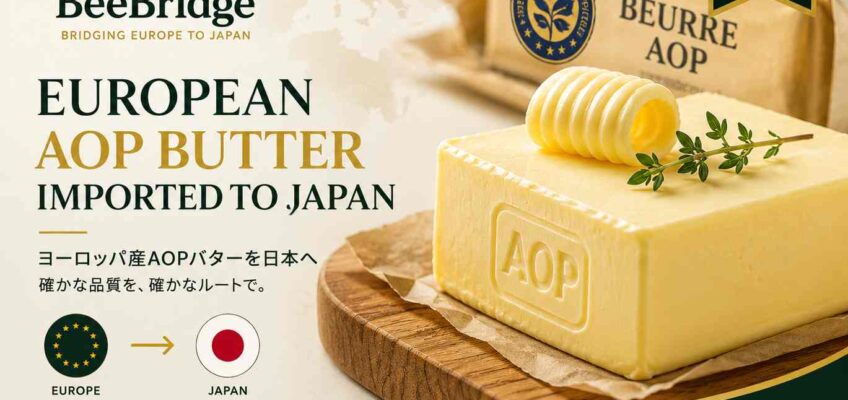
EU Dairy Export to Japan & Asia – Butter, Cheese, and Specialty Dairy
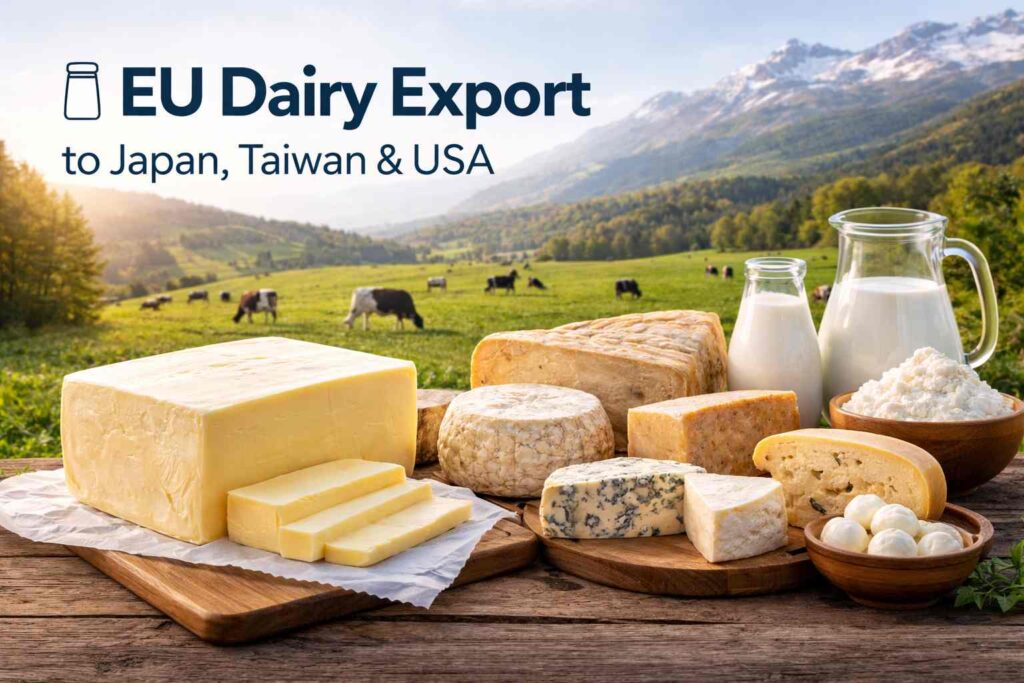 🥛 EU Dairy Export to Japan, Taiwan
European dairy is defined by origin, consistency, and production discipline. Across the European Union, dairy production is governed by strict standards, long-established farming practices, and regional specialization. From pasture-based milk systems to controlled processing environments, the result is a supply of dairy products that is both reliable and diverse.
BeeBridge structures this supply for export. Rather than acting as a trader or intermediary, BeeBridge operates as a coordinated export layer, connecting European producers with importers and distributors across Japan and Asia. The focus is not on individual transactions, but on building a stable pipeline where supply aligns with demand and products move efficiently once commercial terms are confirmed.
European Dairy Brands:
🧈 EU Butter Export
| Brand | Country | Category |
|---|---|---|
| Castagna Mountain Cheese & Butter | Italy | Butter, Mountain Cheese |
| Mazzoleni Formaggi | Italy | Butter, Italian Cheese |
| Biodéal | France | Organic Butter |
| Keramis | France | Organic Butter |
| Latteria Sociale Valtellina | Italy | Alpine Butter, Mountain Dairy |
🧀 EU Cheese Export
| Brand | Country | Category |
|---|---|---|
| A Filetta | France (Corsica) | Sheep & Goat Cheese |
| Kamiku | Spain | Artisan Sheep Cheese |
| Muratbey | Türkiye | Mediterranean Cheese |
| Sheridans Cheesemongers | Ireland | Farmhouse Irish Cheese |
| Catrice Gourmet | France | Cheese Spreads & Truffle Dairy |
| Tenuta Il Radichino (LAFRUTTA) | Italy | Artisan & Aged Cheese |
| Lactimaf | Portugal | Cream Cheese & Portuguese Cheese |
| Fruitières des Bornes | France | Raw Milk AOP Alpine Cheese |
| Funtana Cana | Italy (Sardinia) | Organic Sheep’s Milk Cheese |
🥣 EU Yogurt Export
| Brand | Country | Category |
|---|---|---|
| Bastidarra (EKIA) | France (Basque Country) | Cow, Sheep & Goat Yogurts |
-
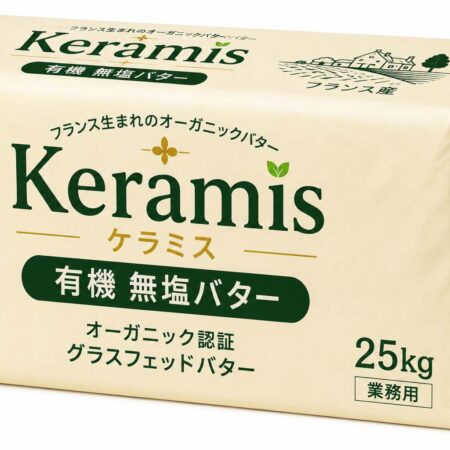
French Unsalted Butter Grass Fed Certified Organic – 25kg Block Keramis MOQ 100KG
€370 Add to cart -
Sale!
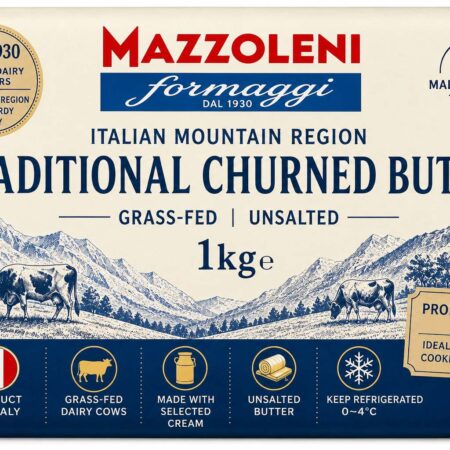
Churned Butter 1kg with Traditional Italian Cream Mountain Grass Fed – Mazzoleni Formaggi MOQ 100kg
Original price was: €20.€9Current price is: €9. Add to cart -
Sale!
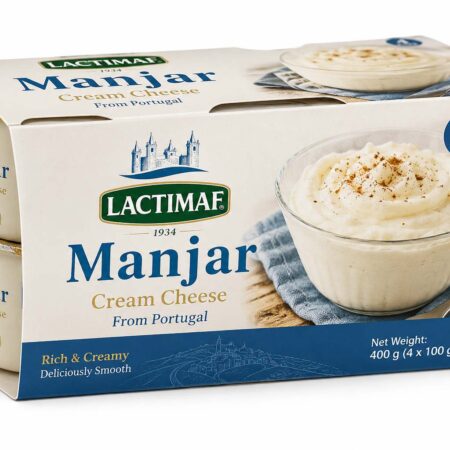
Manjar 4 Cups Cream Cheese Lactimaf Portugal
Original price was: €5.€2Current price is: €2. Add to cart -
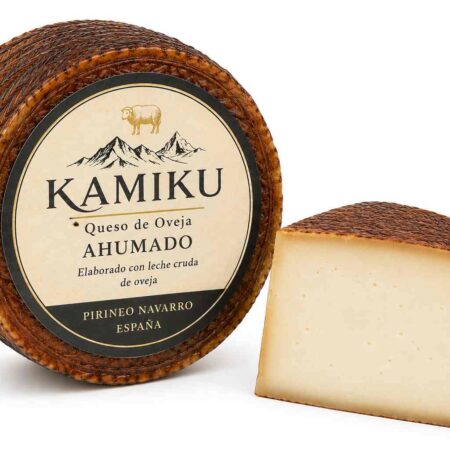
Kamiku Traditional Smoked Sheep Cheese from the Spanish Pyrenees
€24 Add to cart -
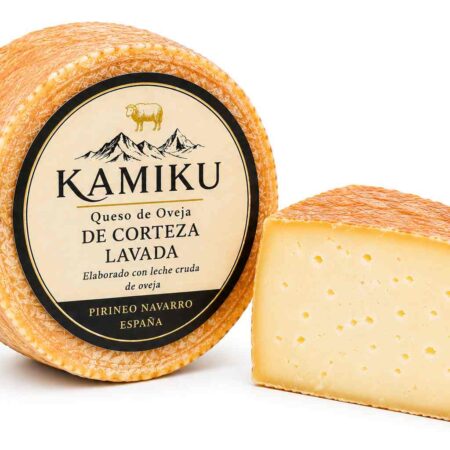
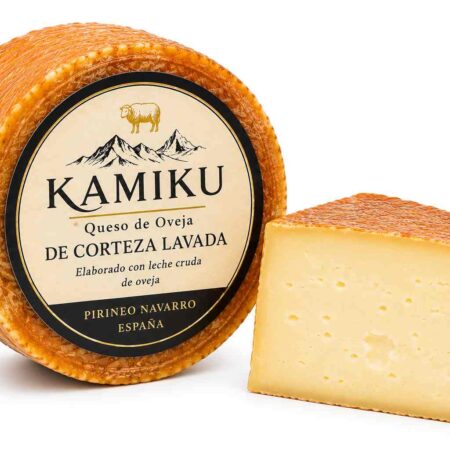
Kamiku – Washed-Rind Sheep Cheese from the Spanish Pyrenees
€24 Add to cart -
Kamiku Fresh Sheep Cheese with Bifidus
€22 Add to cart -
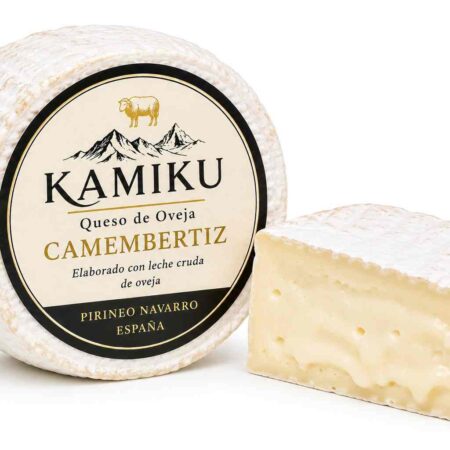
Kamiku Camembertiz Sheep Cheese
€7 Add to cart -
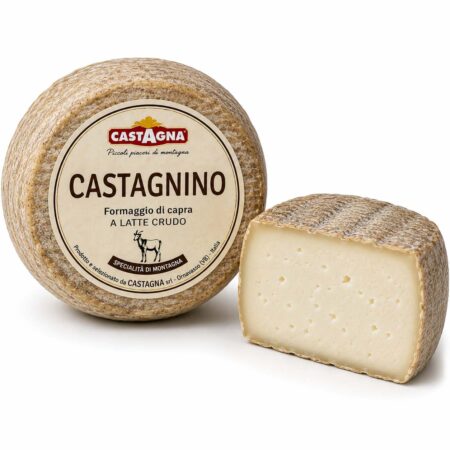
Castagnino Leaf-Aged Artisan Goat Cheese 200g Lombardy Italy | Castagna Mountain Cheese & Butter
€10 Add to cart -
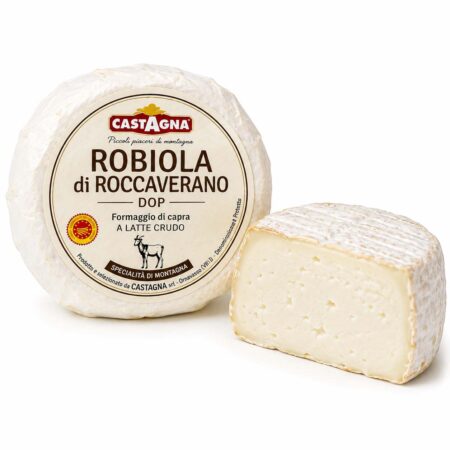
Raw Milk Robiola di Roccaverano DOP / AOP Goat Cheese 300g Piedmont Italy | Castagna Mountain Cheese & Butter
€6 Add to cart -
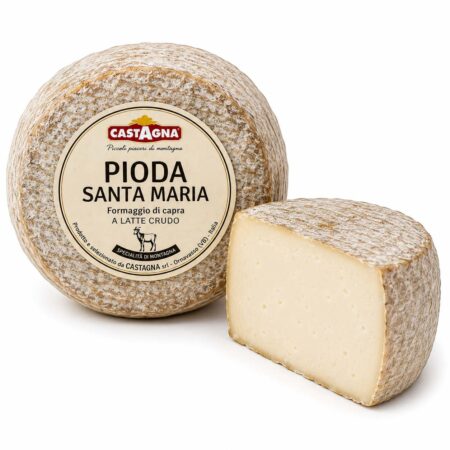
Pioda Santa Maria Artisan Goat Cheese 1kg Lombardy Italy | Castagna Mountain Cheese & Butter
€24 Add to cart -
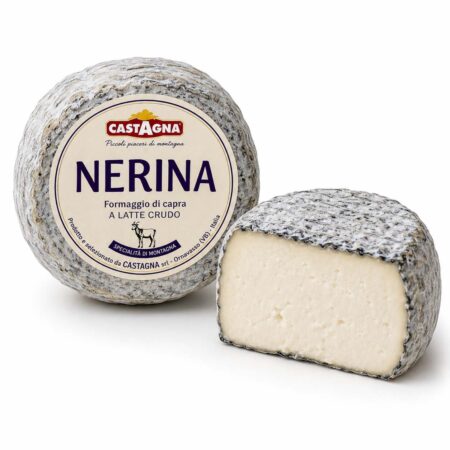
Nerina Ash-Coated Artisan Goat Cheese 250g Lombardy Italy | Castagna Mountain Cheese & Butter
€6 Add to cart -
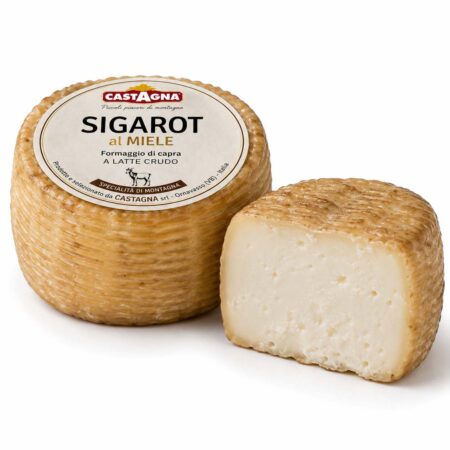
Sigarot al Miele Honey-Aged Artisan Goat Cheese 180g Lombardy Italy | Castagna Mountain Cheese & Butter
€4 Add to cart -
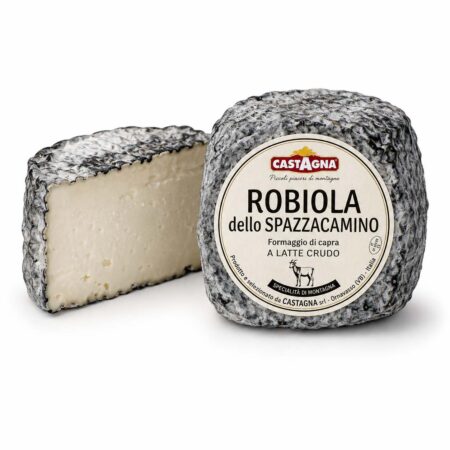
Robiola dello Spazzacamino Traditional Aged Goat Cheese 2.5kg Lombardy Italy | Castagna Mountain Cheese & Butter
€60 Add to cart -
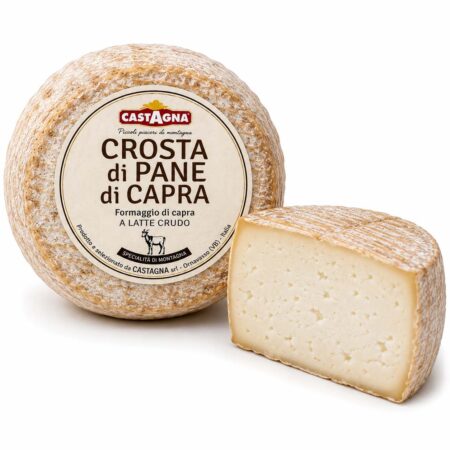
Italian Alpine Goat Cheese with Natural Bread-Crust Rind | Crosta di Pane di Capra | Castagna Mountain Cheese & Butter
€45 Add to cart -
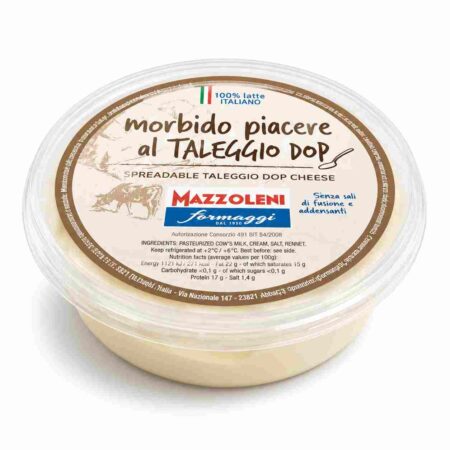
Spreadable Taleggio DOP AOP Cheese | Morbido Piacere al Taleggio | Mazzoleni Formaggi
€4 Add to cart -
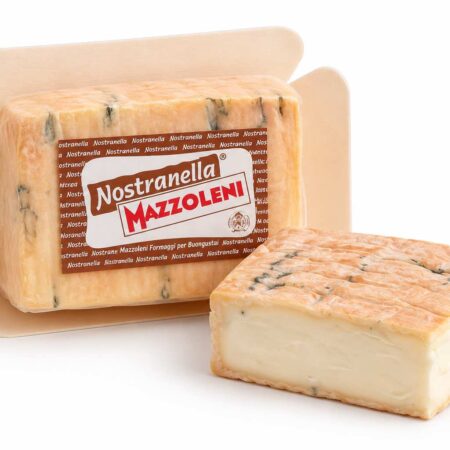
Italian Soft Washed-Rind Cheese 300g | Robiola Nostranella | Mazzoleni Formaggi
€18 Add to cart -
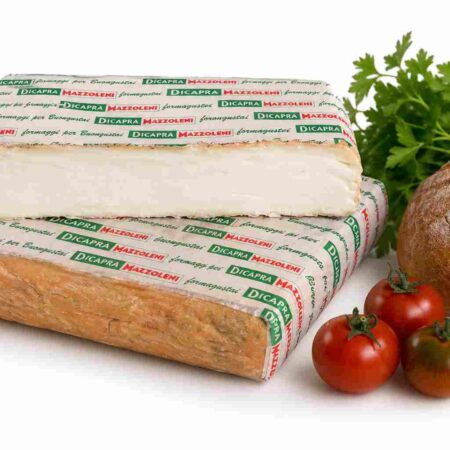
Italian Washed-Rind Goat Cheese 1.8 kg | Dicapra | Mazzoleni Formaggi
€36 Add to cart -
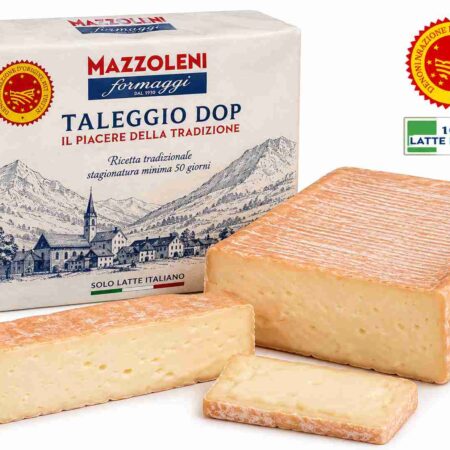
Italian AOP Taleggio Cow’s Milk Cheese “Il Piacere della Tradizione” 2.2kg | Mazzoleni Formaggi
€25 Add to cart -
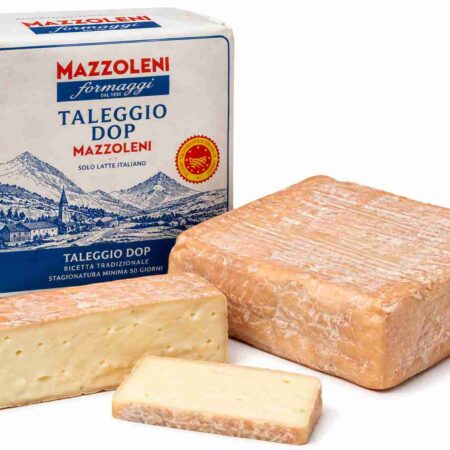
Italian AOP Taleggio Cow’s Milk Cheese 2.2kg | Taleggio DOP | Mazzoleni Formaggi
€27 Add to cart -
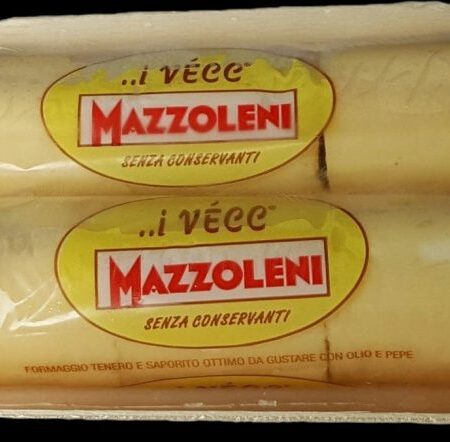
Aged Italian Goat Cheese AOP 2kg Wheel | I Vecc Mazzoleni | Mazzoleni Formaggi
€33 Add to cart -
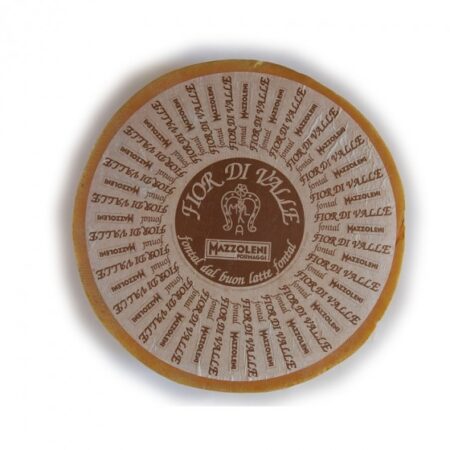
Fontal Fior di Valle Alpine Cow’s Milk Cheese 12kg | Mazzoleni Formaggi
€159 Add to cart -
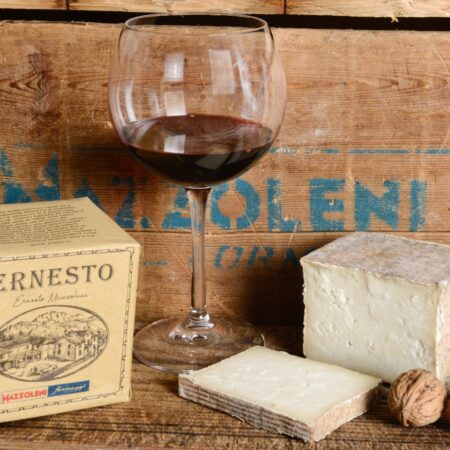
Ernesto Mazzoleni Artisan Cheese Cow’s Milk Tomme Wheel 2kg | Mazzoleni Formaggi
€40 Add to cart -
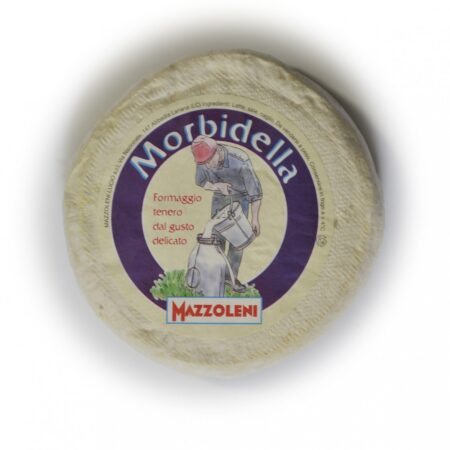
Morbidella Washed-Rind Cheese 700g Cow’s Milk | Mazzoleni Formaggi
€11 Add to cart -
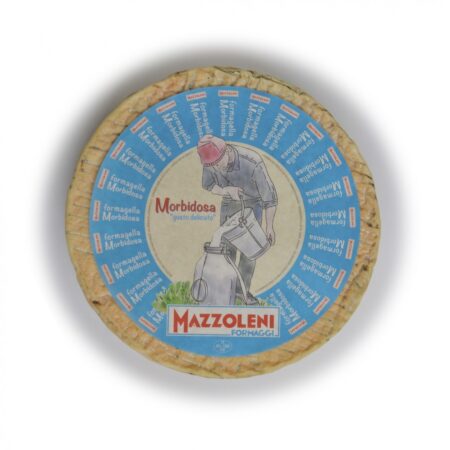
Italian Soft Washed-Rind Cheese Wheel 1.6 kg | Morbidosa | Mazzoleni Formaggi
€24 Add to cart -
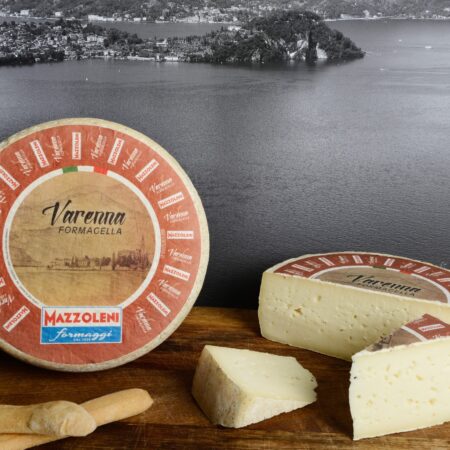
Italian AOP Semi-Aged Formaggella Wheel 1.75kg | Varenna Formaggella | Mazzoleni Formaggi
€21 Add to cart -
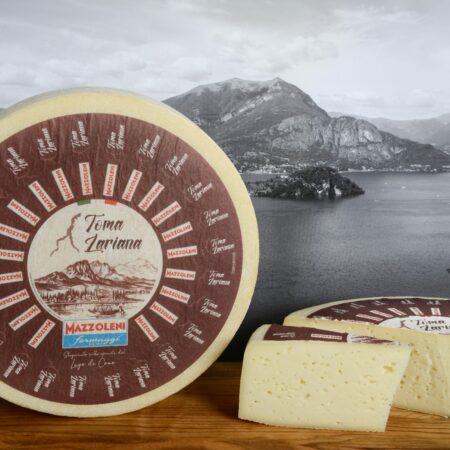
Italian Alpine AOP Cow’s Milk Cheese Tomme Wheel 1.8kg | Toma Lariana | Mazzoleni Formaggi
€20 Add to cart -
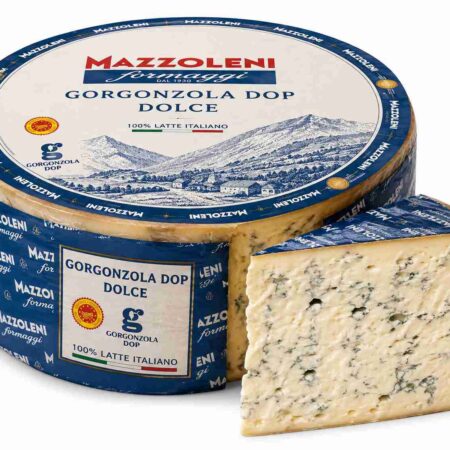
Italian AOP/DOP Blue Cheese Gorgonzola Dolce Wheel 12kg | Mazzoleni Formaggi
€162 Add to cart -
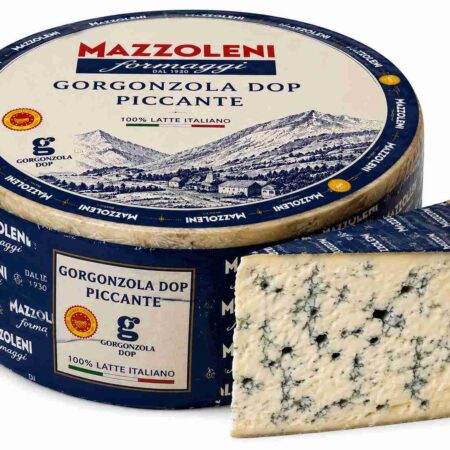
Blue Cheese Gorgonzola DOP/AOP Piccante 12KG | Mazzoleni Formaggi
€197 Add to cart -
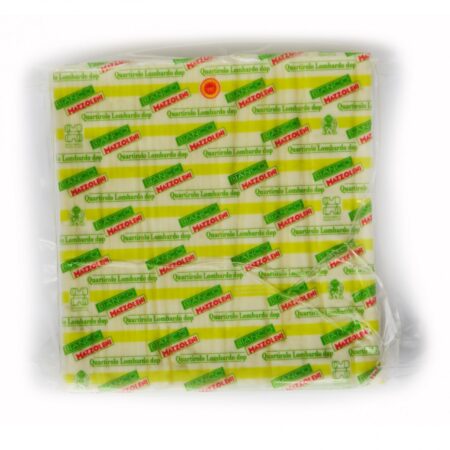
Quartirolo Lombardo AOP/DOP Cow’s Milk Cheese | Mazzoleni Formaggi
€28 Add to cart -
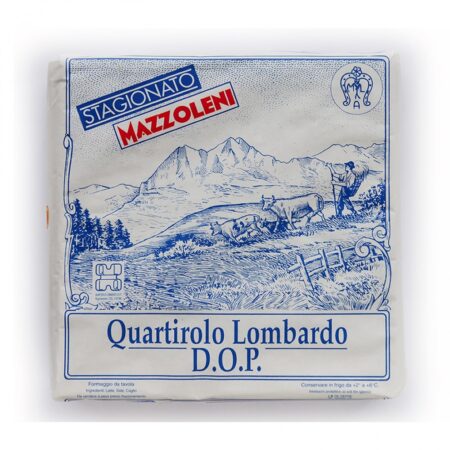
Aged Quartirolo Lombardo AOP/DOP Cow’s Milk Cheese | Italy Mazzoleni Formaggi
€30 Add to cart -
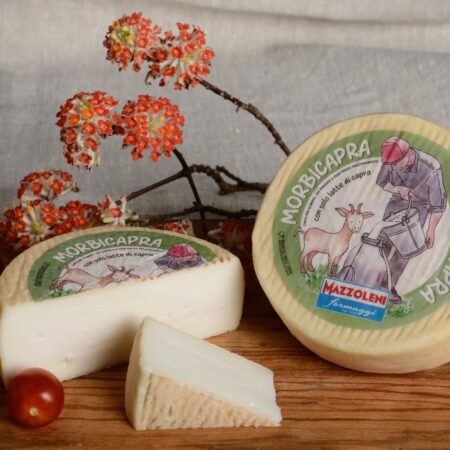
Italian AOP Washed-Rind Goat Cheese Wheel 1.8kg | Morbicapra | Mazzoleni Formaggi
€33 Add to cart -
Sale!
Unsalted Butter 1kg Block Italian Mountain Gress Fed | Mazzoleni Formaggi MOQ 100KG
Original price was: €20.€9Current price is: €9. Add to cart -
Sale!
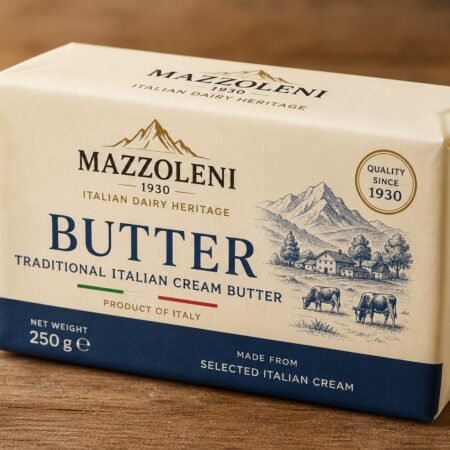
Unsalted Butter 250g Italian Mountain Grass Fed | Mazzoleni Formaggi MOQ 100kg
Original price was: €9.€4Current price is: €4. Add to cart -
Sale!
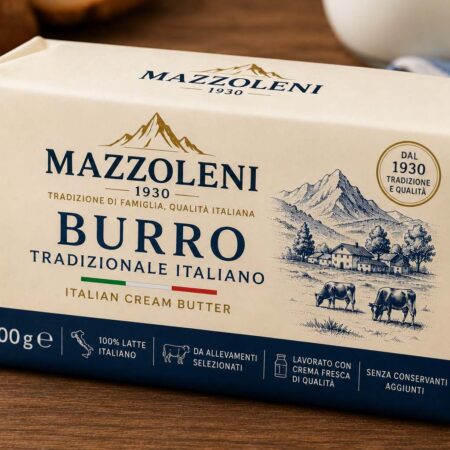
Unsalted Butter 500g Italian Mountain Grass Fed | Mazzoleni Formaggi MOQ 100kg
Original price was: €12.€4Current price is: €4. Add to cart -
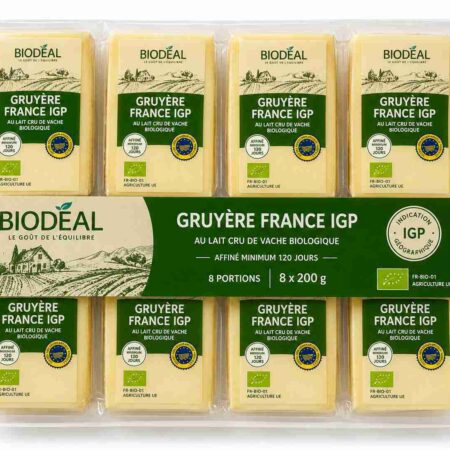
Organic French Gruyère IGP AOP Portions 8 × 200g | Biodéal
€39 Add to cart -
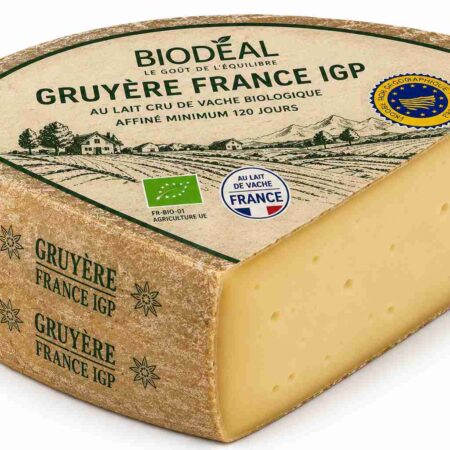
Organic French Gruyère IGP 1/12 Wheel 3.8kg Raw Cow’s Milk Cheese | Biodéal
€84 Add to cart -
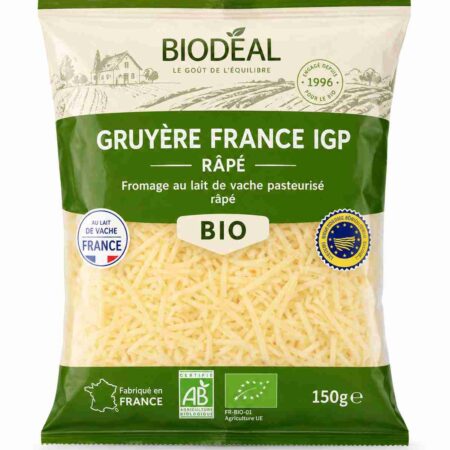
Organic French Gruyère IGP Grated 150g Raw Cow’s Milk Cheese | Biodéal
€8 Add to cart -
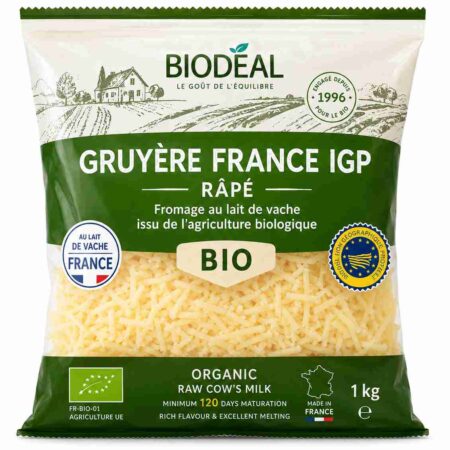
Organic French Gruyère IGP/AOP Grated 1kg | Biodéal (Pre-Order – 300kg MOQ)
€6,828 Add to cart -
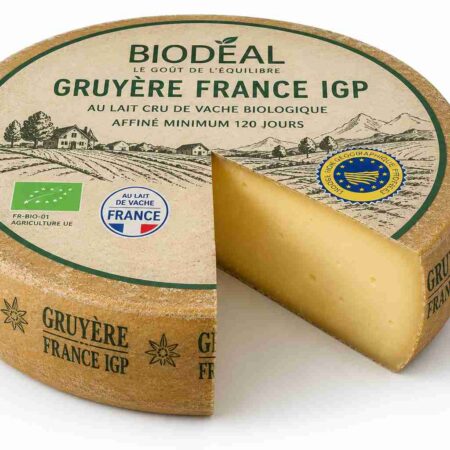
Organic French Gruyère IGP Whole Wheel 45kg Raw Cow’s Milk Cheese | Biodéal
€990 Add to cart -
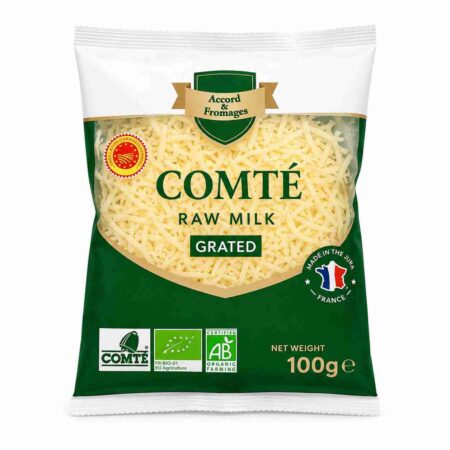
Organic Grated Comté AOP Raw Cow’s Milk Cheese 100g | Biodéal
€3 Add to cart -
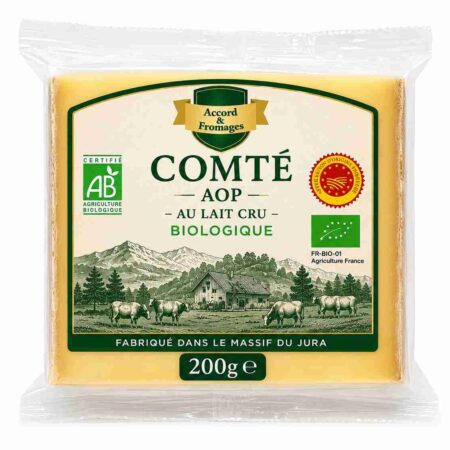
COMTE AOP Slice 200G Organic Certified Raw milk protected-origin cheese | Biodéal
€6 Add to cart -
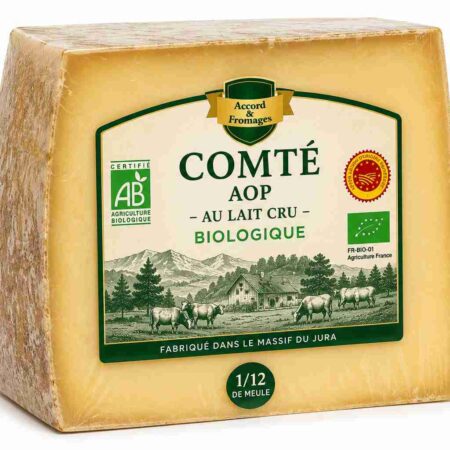
Organic Comté AOP Raw Cow’s Milk Cheese 1/12 Wheel 3.3kg | Biodéal
€77 Add to cart -
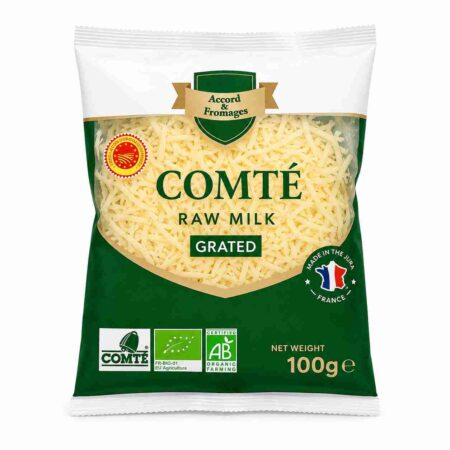
Organic Grated Comté AOP Raw Cow’s Milk Cheese 1kg (Pre-order) | Biodéal
€23 Add to cart -
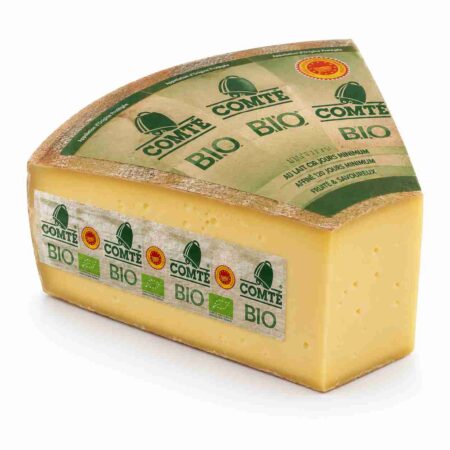
Organic Comté AOP Sliced Raw Cow’s Milk Cheese 120g | 8 Packs | Biodéal
€3 Add to cart -
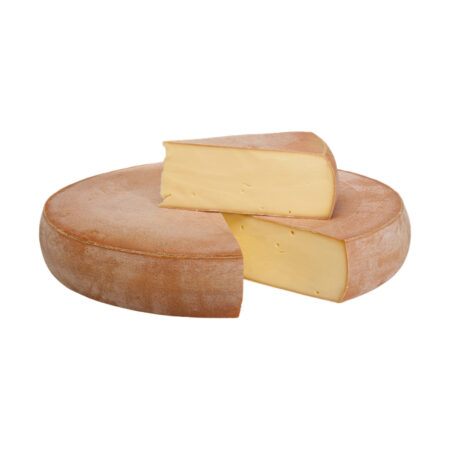
Organic Raclette Nature Whole Wheel 6kg Raw Cow’s Milk Cheese | Fair Trade BIOPARTENAIRE® | Biodéal
€125 Add to cart -
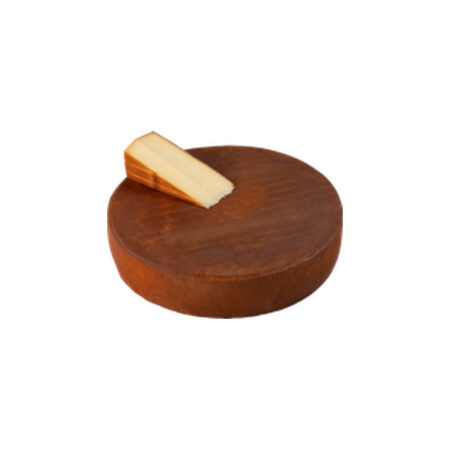
Smoked Raclette Wheel 6.5kg Organic Cow’s Milk Cheese | Fair Trade BIOPARTENAIRE® | Biodéal
€131 Add to cart -
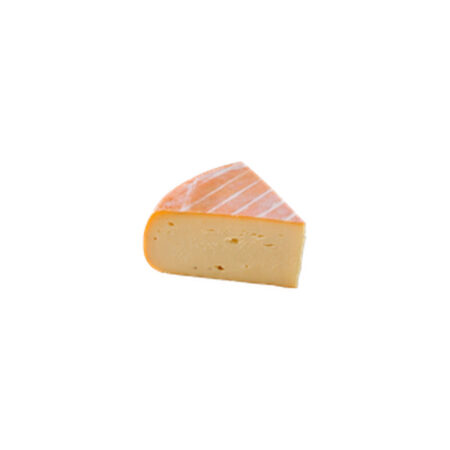
Organic Douceur Ardéchoise Semi-Soft Cow’s Milk Cheese Wheel 2 × 2.5kg | Biodéal
€54 Add to cart -
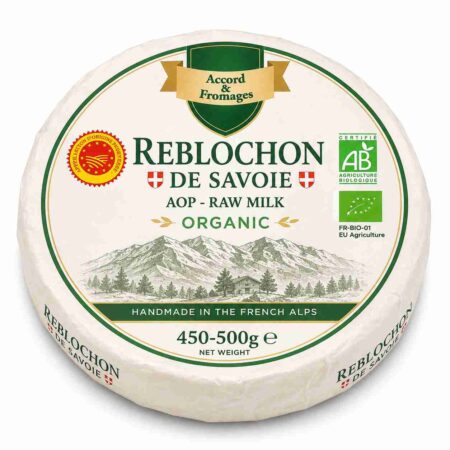
Organic Reblochon de Savoie AOP Raw Cow’s Milk Cheese 6 × 500g | Biodéal
€11 Add to cart -
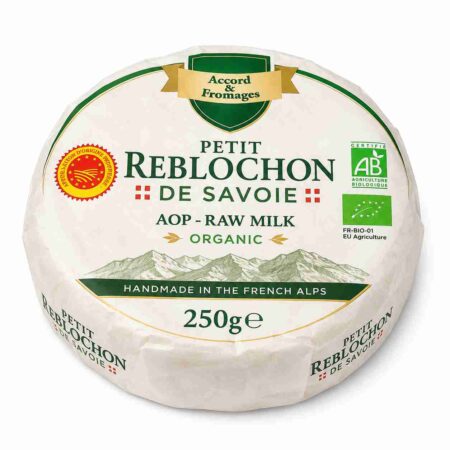
Organic Petit Reblochon de Savoie AOP Raw Cow’s Milk Cheese 12 × 250g | Biodéal
€6 Add to cart -
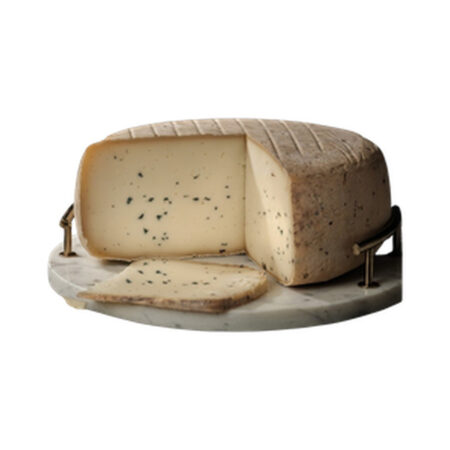
Organic Summer Truffle Basque Tomme Cow’s Milk Cheese 4.5kg | Biodéal
€170 Add to cart -
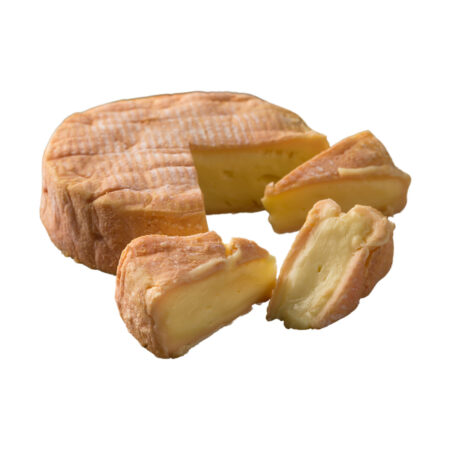
Organic French Munster AOP Cow’s Milk Cheese 6 × 220g | Biodéal
€6 Add to cart -
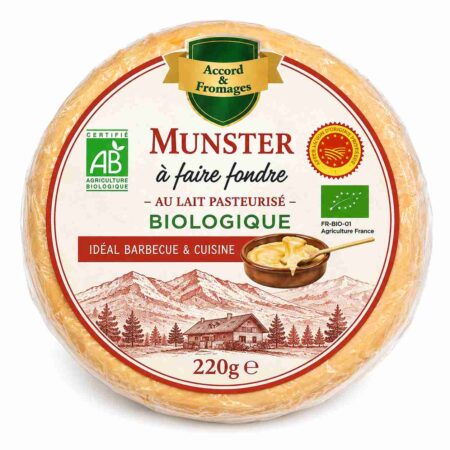
Organic French Melting Munster AOP Cheese 6 × 220g | Biodéal
€6 Add to cart -
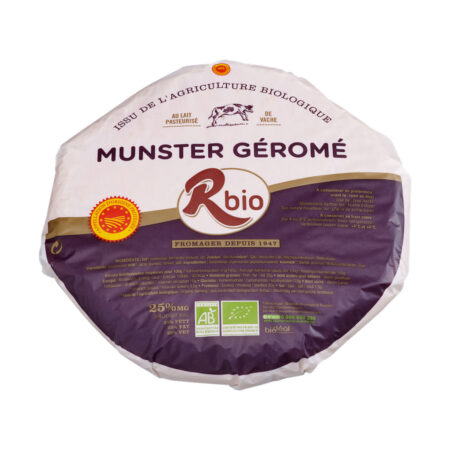
Organic French Munster AOP Whole Cheese 2 × 0.8kg | Biodéal
€44 Add to cart -
Organic Farmhouse Saint-Nectaire AOP Raw Cow’s Milk Cheese 2 × 0.8kg | Biodéal
€48 Add to cart -
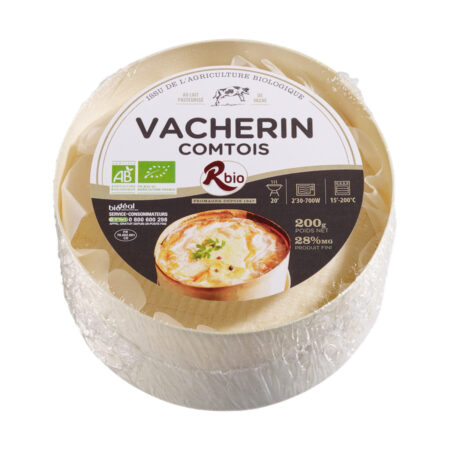
Organic Vacherin du Haut-Doubs AOP Cow’s Milk Cheese 6 × 200g | Biodéal
€7 Add to cart -
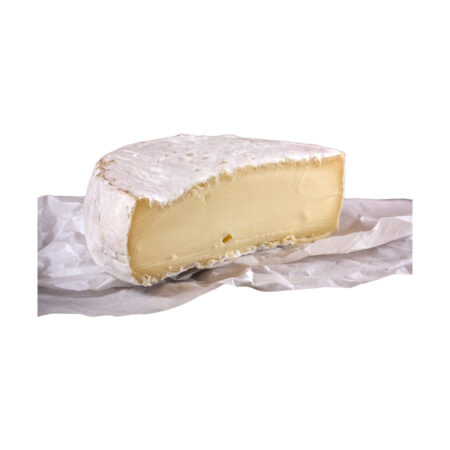
Organic Fair Trade Tomme Givrée Cow’s Milk Cheese 3 × 1.8kg | Biodéal
€43 Add to cart -
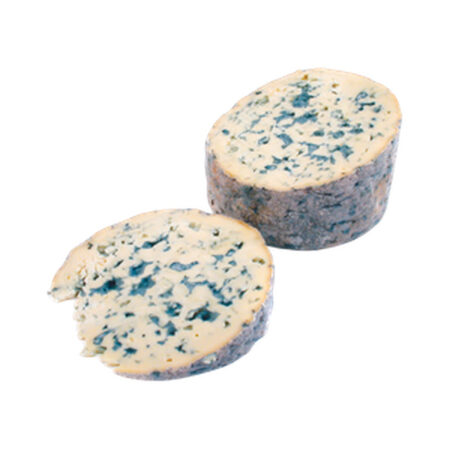
Organic Fair Trade Fourme d’Yssingeaux Blue Cow’s Milk Cheese 2kg | Biodéal
€54 Add to cart -
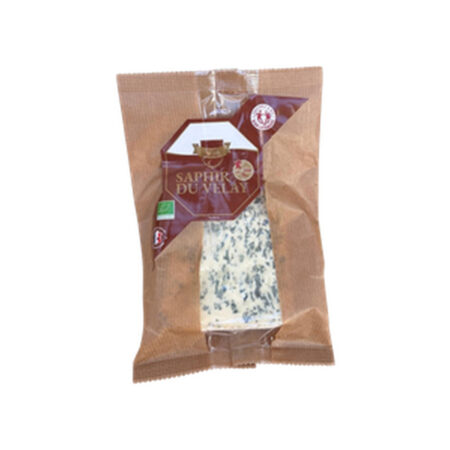
Organic Fair Trade Blue Cheese Saphir du Velay Cow’s Milk 10 × 150g | Biodéal
€5 Add to cart -
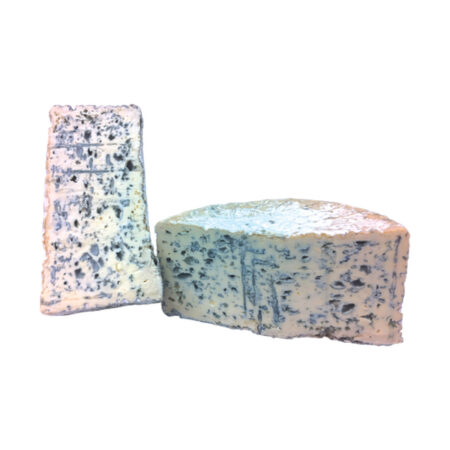
Organic Fair Trade Blue Cheese Saphir du Velay Cow’s Milk Cheese 2 × 2.5kg | Biodéal
€63 Add to cart -
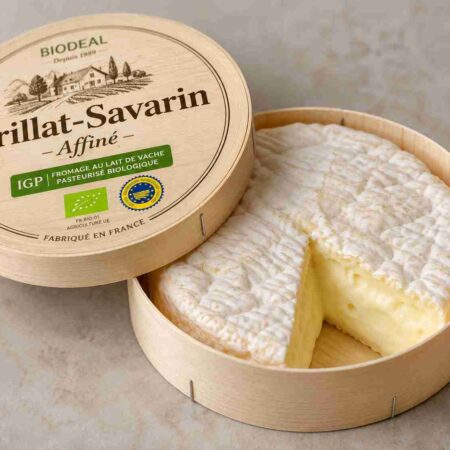
Fair Trade Organic Brillat-Savarin Affiné IGP Triple Cream Cheese 200g Wooden Box | Biodéal
€8 Add to cart

France — Butter, Tradition, and Scale
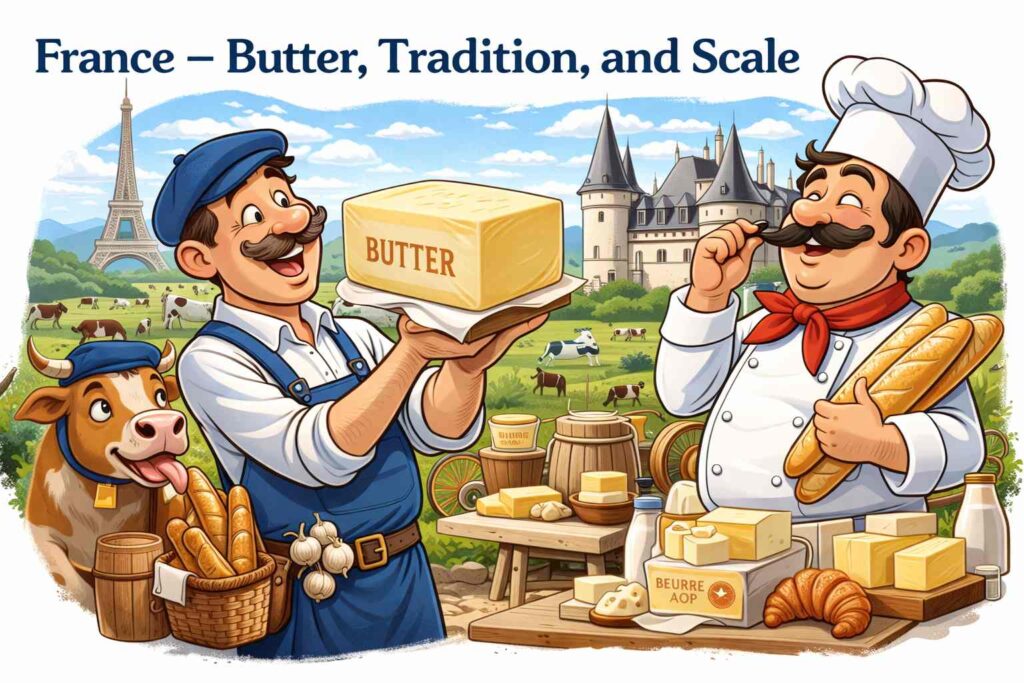 France remains one of the strongest dairy-producing countries in the world, particularly in butter. It combines traditional methods with industrial precision, allowing it to deliver both high-end specialty products and large-scale, standardized output.
High-fat butter, typically in the range of 82–84%, is the norm. This level of fat content provides consistency in professional applications, particularly in bakery and pastry production. Formats are flexible, ranging from consumer-ready retail packs to bulk 25kg blocks designed for food service and industrial use.
Beyond standard butter, France offers a depth of regional specialization. Churned butter (beurre de baratte), cultured butter, and AOP-certified products such as those from Isigny or Charentes-Poitou provide additional positioning in premium markets. These products are not only differentiated by taste, but also by traceability and recognized origin.
From an export perspective, France offers a key advantage: infrastructure. Production capacity, logistics, and compliance systems are already aligned with international trade. This allows for consistent volume, predictable lead times, and the ability to structure container shipments without disruption.
For importers, this translates into a stable and scalable source of butter that can serve both mainstream and premium market segments.
Slovenia — Clean Origin, Emerging Supply

Slovenian dairy production operates on a smaller scale, but offers a different type of value. The country’s geography, characterized by alpine regions and rural farmland, supports pasture-based milk systems that produce clean, origin-driven dairy products.
Milk is often sourced from small to mid-sized farms, where animals are raised in low-density environments. This contributes to a perception of quality that aligns well with markets seeking traceability and natural production methods.
Butter and dairy products from Slovenia are less visible on the international stage. This lack of exposure creates an opportunity. Products can be positioned more flexibly, without being constrained by existing global brand expectations. For importers, this allows for tailored sourcing strategies, including private label development and niche market positioning.
Slovenia is particularly well-suited for buyers looking to differentiate. While it may not offer the same scale as France, it provides access to unique supply that can support premium or specialty product lines.
Slovakia — Structured Supply and Distribution

Butter in Slovakia typically aligns with EU norms, with fat content around 82%. Products are available in both retail and bulk formats, and are already integrated into palletized and logistical systems that support regional distribution.
One of the key advantages of Slovakia is access. Distributors often work with multiple production partners, allowing for efficient sourcing across different price points and volumes. This creates flexibility for buyers who require consistent supply but do not necessarily need the branding or premium positioning associated with Western European products.
For BeeBridge, Slovakia acts as a sourcing layer that complements higher-end origins. It enables the aggregation of supply and provides access to multiple dairies through centralized channels.
🧈 Butter
Butter remains a core product within European dairy exports. Standard unsalted butter with 82–84% fat content is widely available across multiple regions, with France leading in both quality perception and production scale.
Bulk formats such as 25kg blocks are commonly used in bakery, pastry, and food service applications. These formats are optimized for efficiency in handling, storage, and transport. Retail formats, including 250g and 500g packs, are also available and can be adapted for private label programs.
In addition to standard butter, specialty variants such as cultured butter and churned butter provide opportunities for differentiation in premium markets.
🧀 Cheese
European cheese production spans a wide range of styles, from industrial formats to region-specific specialties. France, in particular, offers a diverse portfolio of cheeses with strong recognition in international markets.
For export, cheese can be structured in both retail and bulk formats. Private label options are widely available, and packaging can be adapted to meet destination market requirements.
Cheese also plays a strategic role in building broader dairy portfolios, allowing importers to expand beyond single-product categories.
🥛 Cream and Dairy Ingredients
Cream and dairy ingredients form an essential part of the supply chain for food service and industrial applications. Products include fresh cream, UHT cream, and other milk derivatives used in manufacturing and preparation.
These products are typically standardized and produced at scale, making them suitable for consistent supply. They are often integrated into broader dairy shipments, allowing for efficient consolidation and transport.
Export Structuring
BeeBridge manages the coordination between European producers and Asian importers through a structured export process. This includes supplier alignment, consolidation of products, and preparation of all required documentation.
Compliance is handled in accordance with EU export standards and destination market requirements. Labeling can be prepared for specific markets, including Japanese language requirements where applicable.
Logistics are coordinated based on the needs of the shipment. Air freight is used for smaller or time-sensitive orders, while sea freight is used for larger volumes and containerized shipments.
The objective is to ensure that products move efficiently from producer to importer, with minimal friction once commercial terms are agreed.
Commercial Approach
Dairy exports through BeeBridge are handled on a wholesale, order-driven basis. This model allows supply to be aligned directly with demand, reducing risk and improving efficiency.
Shipments can be structured at both pallet and container level, depending on volume requirements. Sourcing remains flexible, drawing from multiple EU regions to meet specific product and pricing needs.
Product selection is driven by buyer demand. Once a requirement is defined, supply is aligned and prepared for export. This allows for a rapid transition from inquiry to shipment, without unnecessary delays.
BeeBridge operates as a structured export layer for European dairy, enabling consistent and traceable supply into Japan and Asia. By combining regional sourcing with coordinated export execution, dairy products can move efficiently from producer to importer.
The strength of the model lies in its flexibility. Whether sourcing high-volume butter from France, differentiated products from Slovenia, or structured supply from Slovakia, BeeBridge aligns European production with international demand in a way that supports long-term trade relationships.