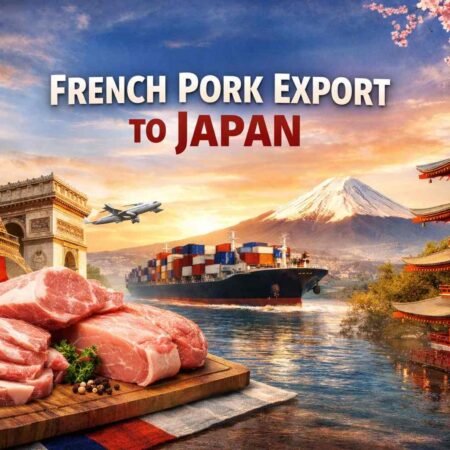
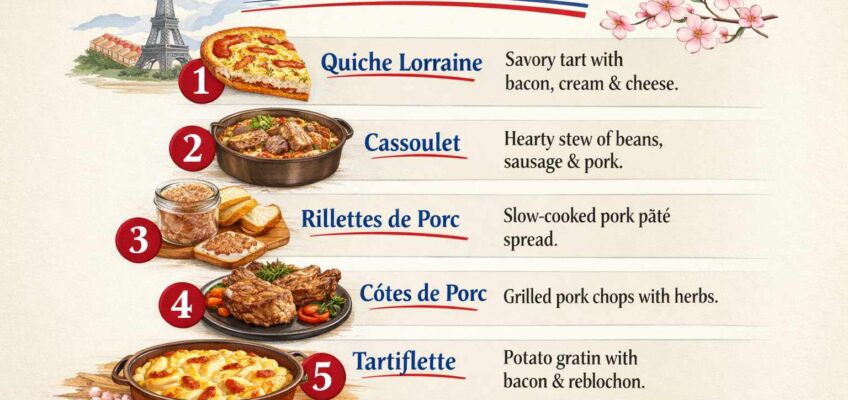
EU Pork Export to Japan from France | MHLW & MAFF Compliant Supplier
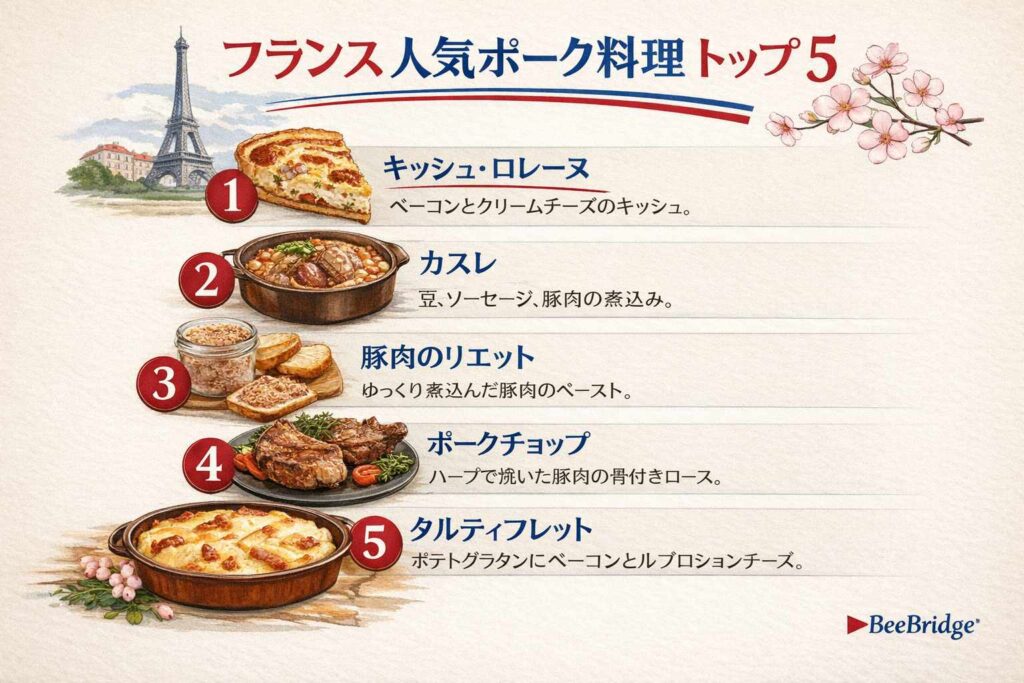 Traditional French Pork Styles and Production Methods
French pork production is rooted in a long-established agricultural system where animal feeding, regional practices, and processing traditions are closely integrated. Unlike commodity pork systems that prioritize rapid growth and uniform output, French pork—particularly from traditional and quality-focused programs—is shaped by controlled feeding methods, slower growth cycles, and a strong link between feed composition and final meat characteristics. This production model has direct implications for Japanese importers, as it influences fat quality, texture, flavor stability, and performance across common Japanese cooking applications.
Feeding Systems: Cereal-Based Diets and Regional Integration
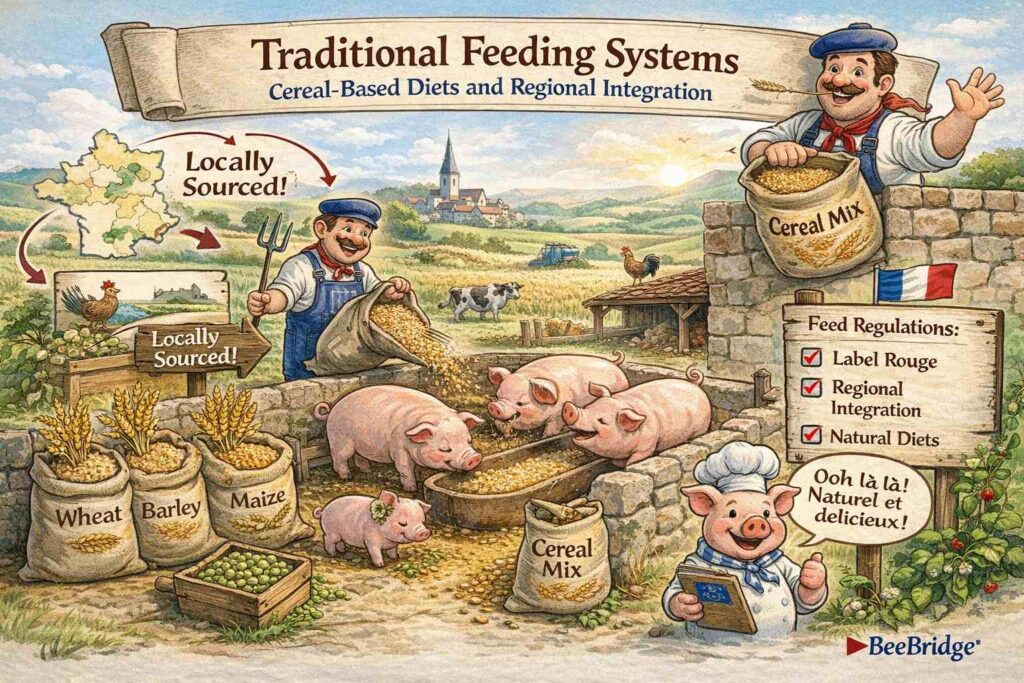 Feeding practices in France are structured and regulated, with a significant portion of pigs raised on cereal-based diets composed primarily of wheat, barley, and maize, often supplemented with legumes such as peas or fava beans. These feeds are typically sourced locally, reinforcing regional agricultural cycles and ensuring consistency in input quality. In higher-end production systems, including Label Rouge and similar quality schemes, feed formulations are more tightly controlled, sometimes excluding certain additives and emphasizing natural growth rhythms. The result is a more stable fat composition, with a balance between firmness and meltability that is particularly important for slicing, grilling, and high-heat cooking.
Fat Composition and Cooking Performance
The relationship between feed and fat quality is central to understanding French pork. A cereal-based diet contributes to a cleaner, more neutral fat profile compared to systems heavily reliant on industrial feed inputs. This produces fat that renders predictably, without excessive moisture release or breakdown, and supports consistent browning and flavor development. For Japanese applications such as yakiniku, stir-fry, and tonkatsu, this translates into better control during cooking, reduced shrinkage, and improved texture in the finished dish. The fat also acts as a carrier of flavor without overwhelming the underlying meat, aligning with Japanese preferences for balance and clarity.
Animal Welfare and Meat Stability
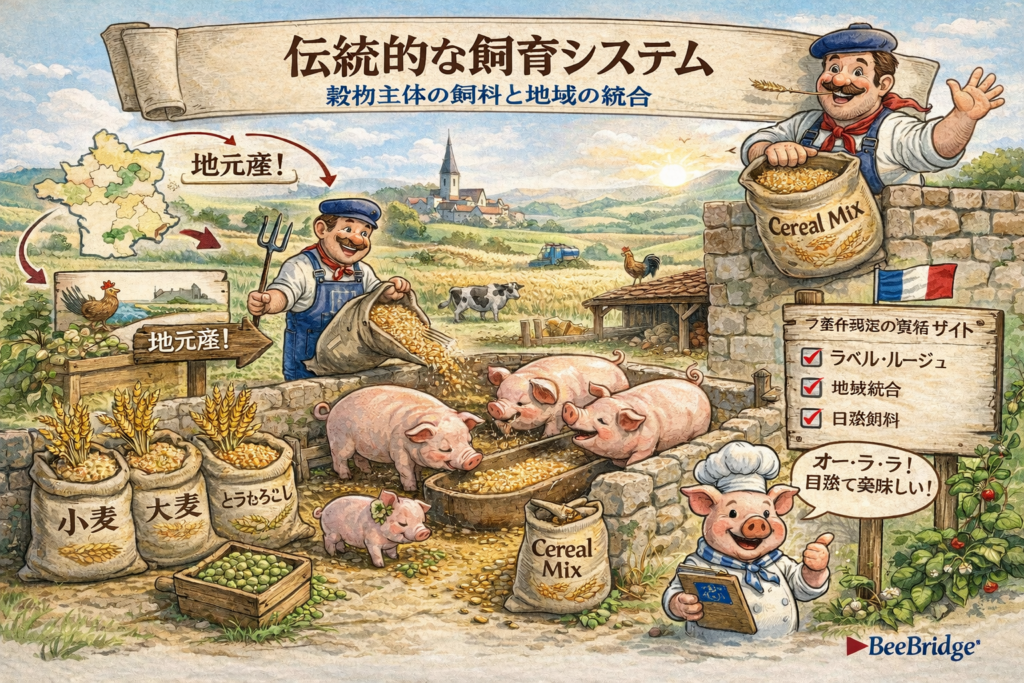 In addition to feed composition, rearing conditions influence final meat quality. French systems often incorporate more space per animal and reduced stress environments compared to intensive industrial models. While not all production is extensive or outdoor-based, certified and regional programs demonstrate measurable differences in handling and welfare. Lower stress levels contribute to more stable muscle pH, which affects color, water retention, and structural integrity. These factors are critical in markets where visual consistency and product performance are closely evaluated.
Processing Tradition: Transformation as Standard Practice
Traditional French pork is defined not only by how animals are raised, but by how the meat is processed. Rather than exporting primarily raw carcass components, the French system has historically focused on transformation—curing, aging, and portioning meat into formats designed for immediate culinary use. This approach, originally developed for preservation, has evolved into a refined processing discipline. Products such as jambon, lardon, saucisson, terrines, and pâtés are central to pork consumption, each relying on specific techniques that depend on consistent raw material quality.
Product Formats and Culinary Application
For Japanese importers, this processing tradition offers a distinct advantage. French pork products often arrive in formats aligned with end use rather than requiring further transformation. Lardon is produced with controlled fat-to-meat ratios and standardized cuts, making it suitable for direct use in stir-fry, pasta, and rice dishes. Jambon produced through traditional curing methods provides firmer texture and more stable slicing performance than water-injected alternatives, supporting both retail and foodservice applications.
Dry-Cured Products and Portion-Based Consumption
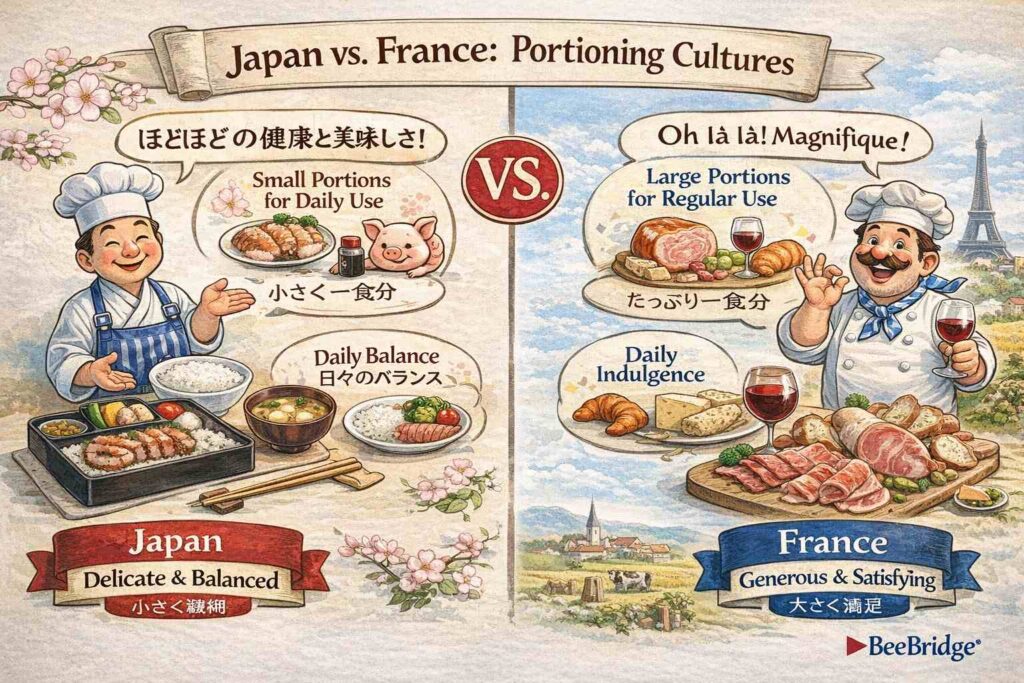
Dry-cured products such as saucisson illustrate how French pork aligns with portion-based consumption patterns. These products are shelf-stable, easily portioned, and designed for incremental use. This structure parallels Japanese preferences for small servings and shared formats. Terrines and pâtés further support this model, offering controlled texture, visual consistency, and suitability for premium retail environments such as department stores and specialty food channels.
 Portioning Culture and Daily Use
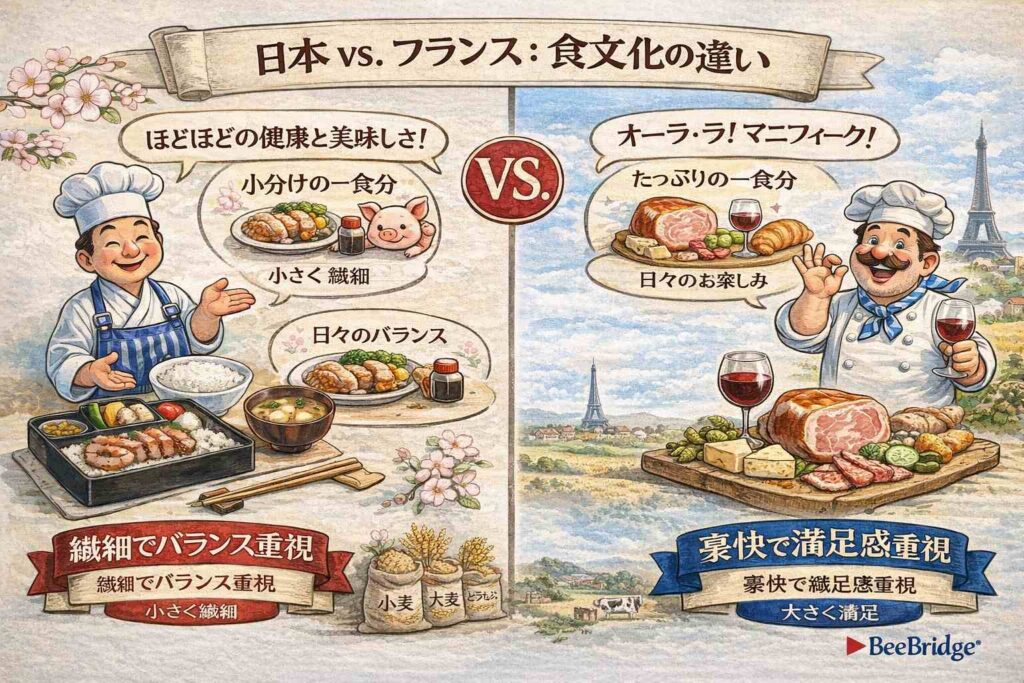
French pork traditions emphasize repeat consumption in smaller quantities, integrated into daily meals rather than large-scale servings. This approach aligns closely with Japanese meal structures, which rely on multiple small components and consistent portioning. Delivering pork in predictable, ready-to-use formats reduces variability at the point of use and supports more efficient kitchen operations across both foodservice and retail contexts.
Compliance and Export Structure
Exporting pork to Japan requires strict adherence to MHLW and MAFF regulations governing food safety, traceability, and veterinary controls. French production systems engaged in international trade are structured to meet these requirements through approved slaughterhouses, controlled processing environments, and documented supply chains. This ensures continuity between production methods and final product performance upon arrival in Japan.
Functional Value for Japanese Importers
French pork should not be evaluated solely in terms of cost per kilogram. Its value is derived from the interaction between feed composition, fat quality, processing methods, and product format. These factors contribute to consistent behavior under Japanese cooking conditions and facilitate integration into existing consumption patterns. For importers, French pork represents a complementary category defined by stability, usability, and differentiation at the product level.