
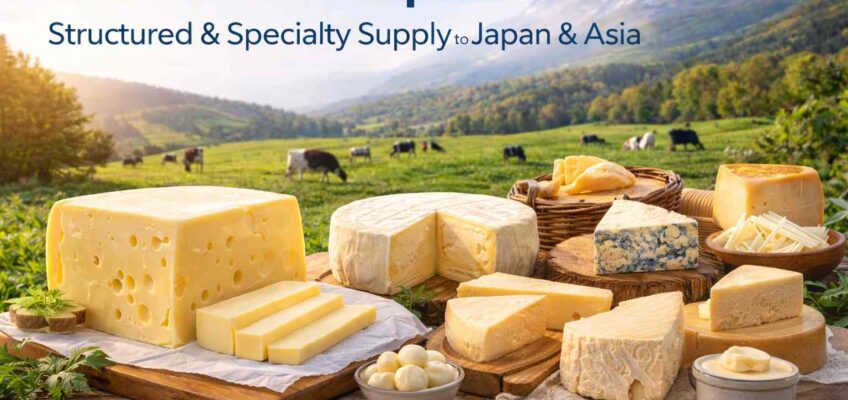
🧀 EU Cheese Export to Japan & Asia – Structured & Specialty Supply
European cheese is one of the most diverse and regionally defined food categories in the world. Across the European Union, cheese production ranges from highly standardized industrial formats to small-scale, origin-protected specialties that reflect centuries of local tradition.
This diversity creates opportunity. It allows importers to build product portfolios that combine stable, high-volume supply with differentiated, high-margin items.
BeeBridge structures this supply for export. By aligning European producers with importers and distributors across Japan and Asia, cheese is moved not as a commodity, but as a category that can be adapted to specific market demands.
-
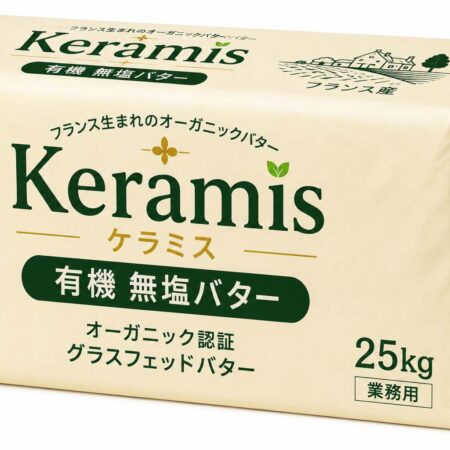
French Unsalted Butter Grass Fed Certified Organic – 25kg Block Keramis MOQ 100KG
€370 Add to cart -
Sale!
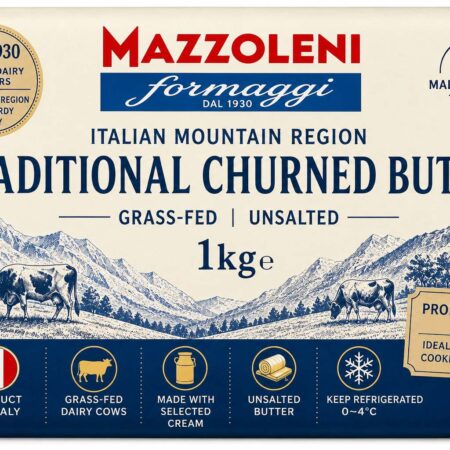
Churned Butter 1kg with Traditional Italian Cream Mountain Grass Fed – Mazzoleni Formaggi MOQ 100kg
Original price was: €20.€9Current price is: €9. Add to cart -
Sale!
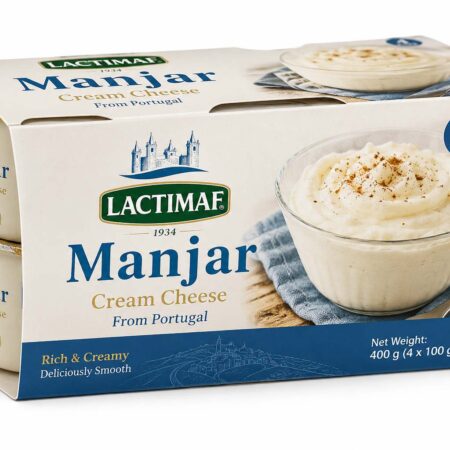
Manjar 4 Cups Cream Cheese Lactimaf Portugal
Original price was: €5.€2Current price is: €2. Add to cart -
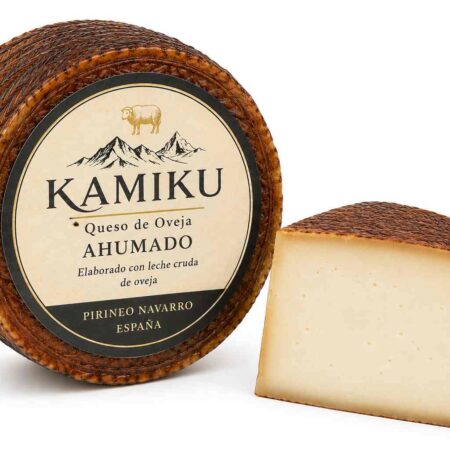
Kamiku Traditional Smoked Sheep Cheese from the Spanish Pyrenees
€24 Add to cart

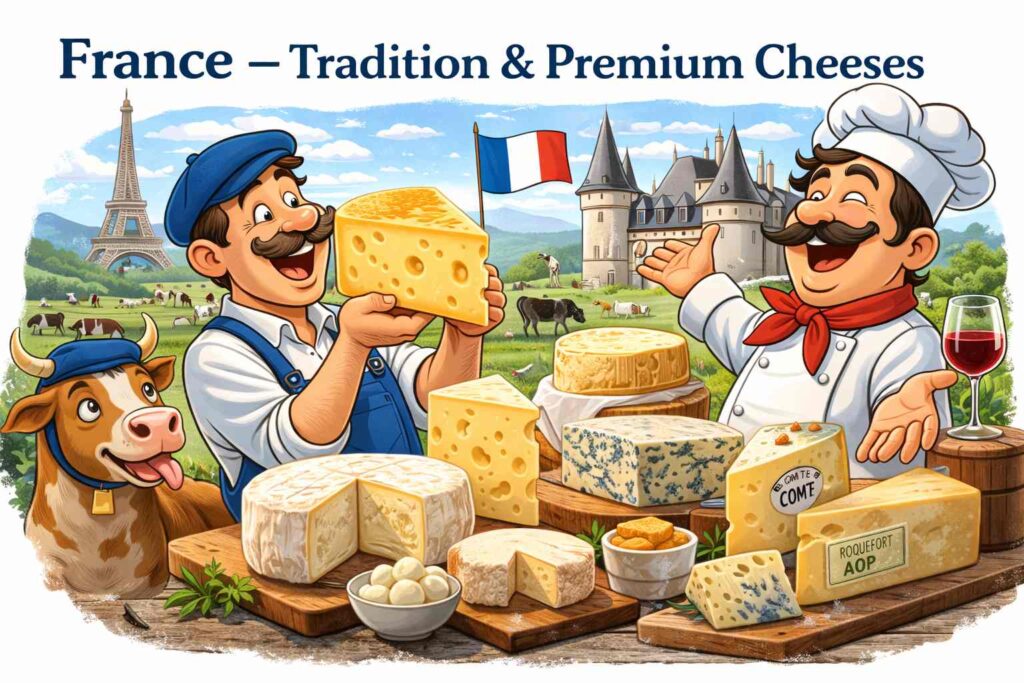 France — Depth, Recognition, and Premium Positioning
France represents one of the most recognized cheese-producing countries globally. Its strength lies not only in volume, but in the depth and variety of its production.
Soft cheeses such as Brie and Camembert offer immediate recognition and strong retail appeal. Hard cheeses such as Comté and Beaufort provide structure for food service and culinary applications. Blue cheeses like Roquefort introduce distinct flavor profiles that are difficult to replicate elsewhere.
Many French cheeses are protected by AOP designation, ensuring traceability and consistency of origin. This creates built-in value for importers seeking products with strong identity and established reputation.
From an export perspective, France offers a complete system:
- Mature production capacity
- Export-ready packaging formats
- Established cold chain logistics
This allows cheese to be shipped in both retail and bulk formats, supporting a wide range of distribution models.
Cheese Categories for Export
European cheese exports are structured across multiple categories, each serving different market needs.
-
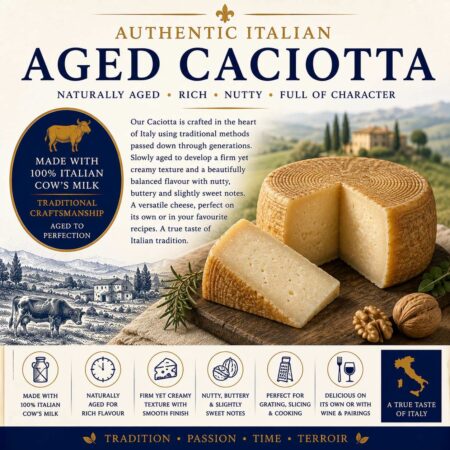
Aged caciotta (4)
-
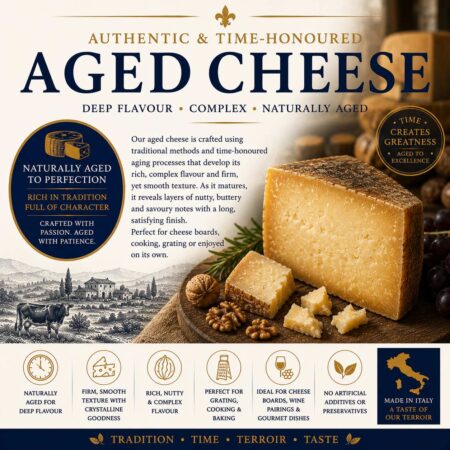
Aged cheese (117)
-
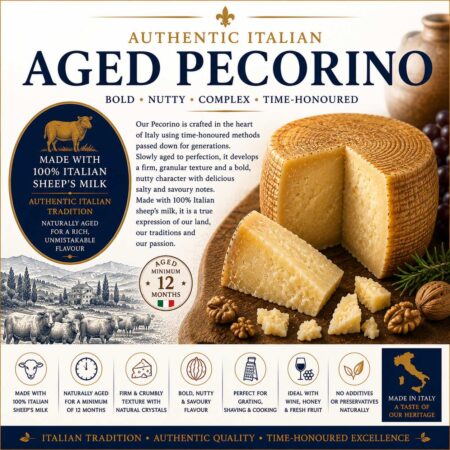
Aged pecorino (21)
-
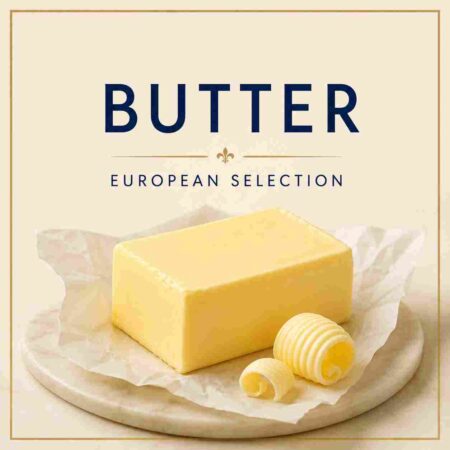
AOP Butter (1)
-
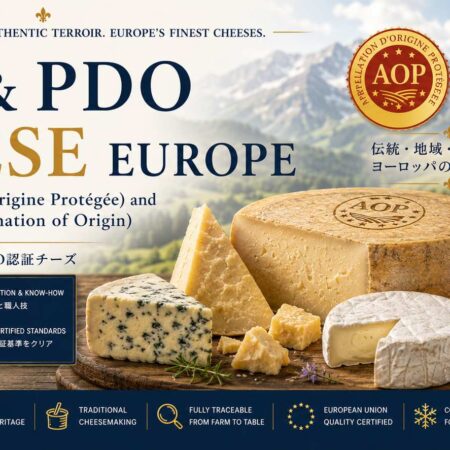
AOP Cheese (65)
-
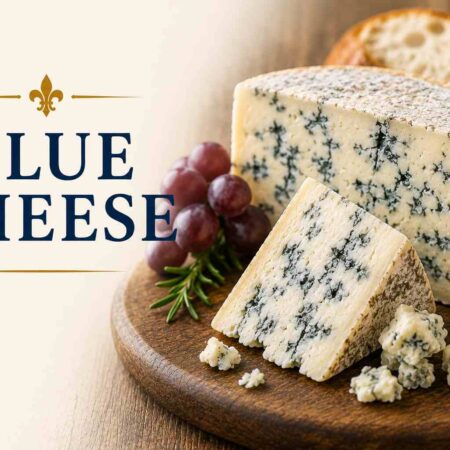
Blue Cheese (18)
-
Butter (20)
-
Camembert Cheese (3)
-
Cheese Spread (54)
-
Churned Butter (2)
-
Cow milk Cheese (111)
-
Cream Cheese (47)
-
Creamery (4)
-
Cultured Butter (Aged Cream Butter) (2)
-
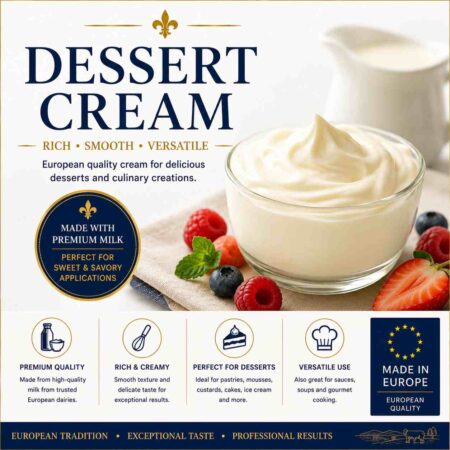
Dessert Cream (1)
-
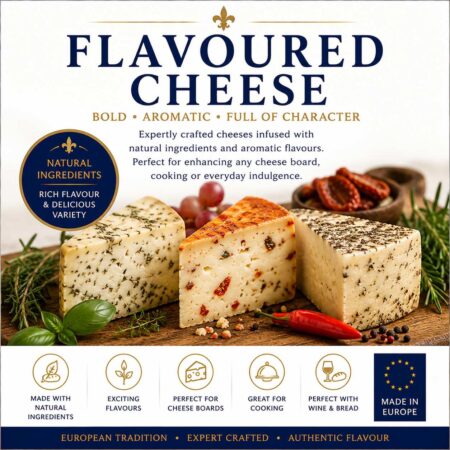
Flavoured Cheese (11)
-
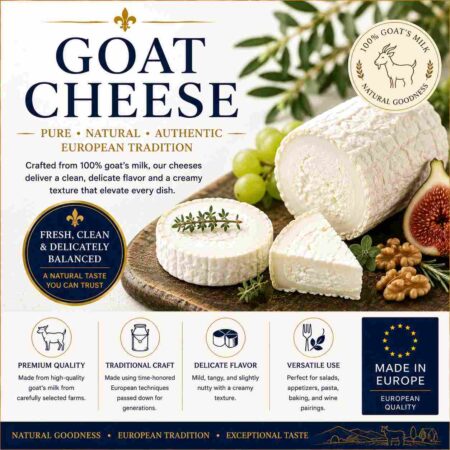
Goat Cheese (32)
-
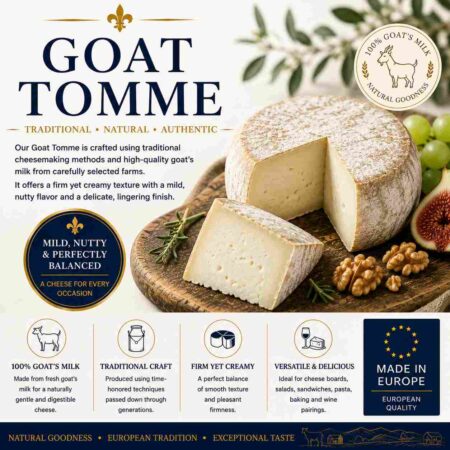
Goat Tomme (22)
-
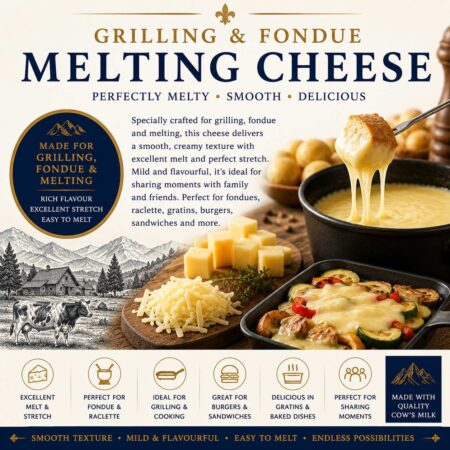
Grilling Fondue Melting Cheese (16)
-
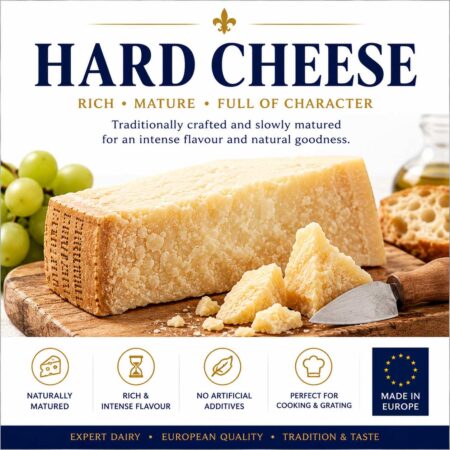
Hard Cheese (22)
-
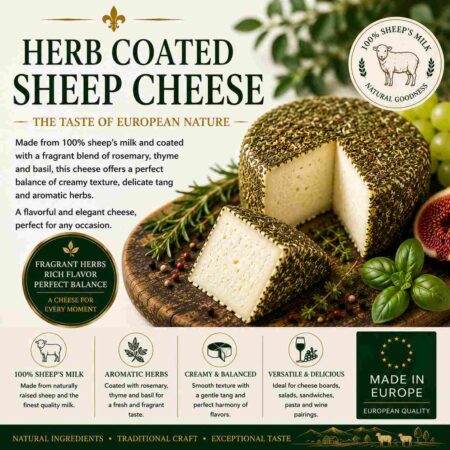
Herb-coated sheep cheese (2)
-
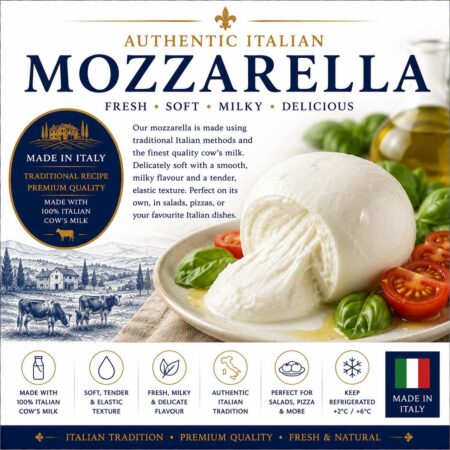
Mozzarella (2)
-
Organic Butter (13)
-
PDO Cheese (33)
-
Ricotta Cheese (2)
-
Salted Butter (1)
-
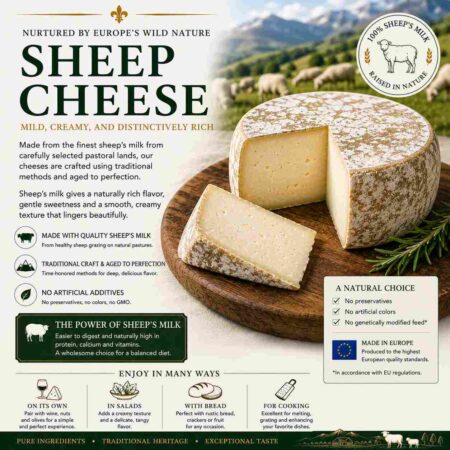
Sheep Cheese (57)
-
Sheep Milk Yogurt (1)
-
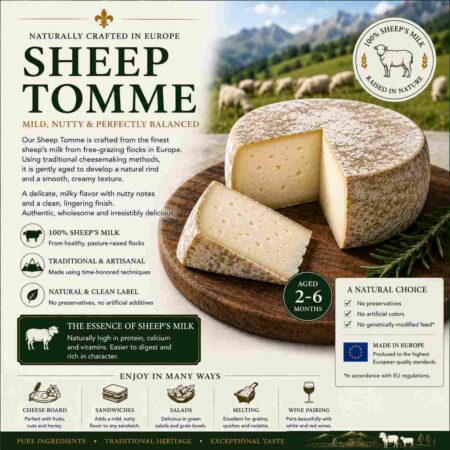
Sheep Tomme (38)
-
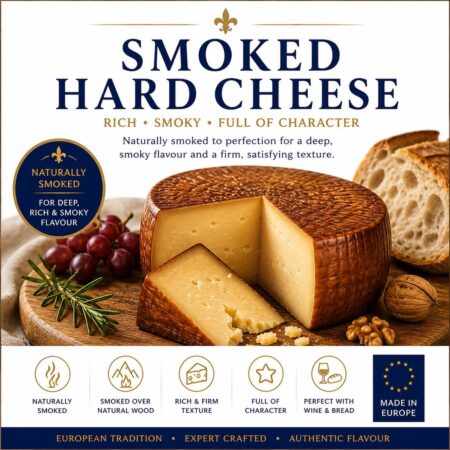
Smoked Hard Cheese (3)
-
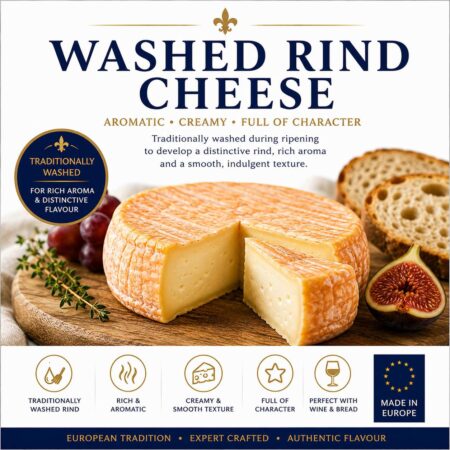
Washed Rind Cheese (12)
-
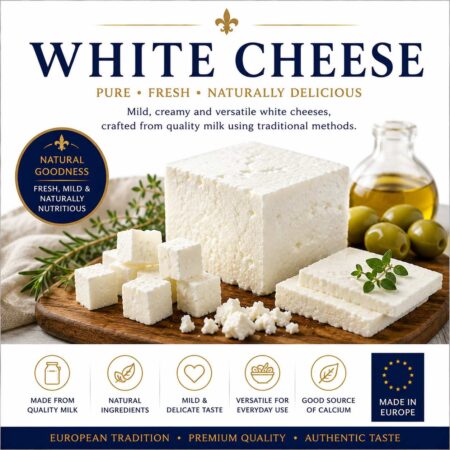
White Cheese (4)
Beyond France — Undervalued European Cheese Supply

While France dominates perception, the broader European Union offers significant untapped potential in cheese sourcing.
Countries such as Slovenia and Slovakia produce cheese that is often distributed regionally but rarely exported at scale. These products may not carry global brand recognition, but they offer flexibility in positioning and pricing.
This layer of supply is particularly valuable for:
- Private label development
- Mid-tier retail positioning
- Food service applications
Cheese from these regions can be structured to meet specific importer requirements, without the constraints associated with established premium brands.
For BeeBridge, this creates a dual sourcing model:
- Premium, recognized products from Western Europe
- Flexible, scalable supply from Central and Eastern Europe

Formats and Packaging
Cheese is exported in formats designed to match handling, storage, and application requirements:
- Whole wheels (for specialty retail and cutting)
- Vacuum-packed portions
- Food service blocks
- Sliced or pre-packed retail formats
- Private label packaging
Packaging can be adapted to meet destination market requirements, including labeling and compliance standards.
 Export Structuring
BeeBridge manages the coordination between European cheese producers and Asian importers through a structured export process.
This includes:
- Identification and alignment of suitable producers
- Consolidation of multiple cheese types into single shipments
- Export documentation and compliance
- Labeling preparation for destination markets
- Cold chain logistics coordination
Both air and sea freight options are used depending on product type and urgency. Fresh and soft cheeses may require faster transit, while hard cheeses can be shipped more flexibly.

Commercial Approach
Cheese exports are handled on a wholesale, order-driven basis.
- Pallet and container volumes available
- Multi-product consolidation within shipments
- Flexible sourcing across EU regions
- Product selection aligned with buyer demand
This model allows importers to build diverse product portfolios while maintaining control over volume and pricing.
Conclusion
European cheese offers a combination of tradition, diversity, and scalability that is unmatched globally. From highly recognized French specialties to underutilized regional production across the EU, the category provides both stability and opportunity.
BeeBridge operates as a structured export layer within this ecosystem, aligning supply with demand and enabling efficient movement of cheese products into Japan and Asia.
By combining multiple sourcing regions, flexible formats, and coordinated export execution, cheese becomes more than a product category — it becomes a scalable and adaptable supply channel.
-
French Unsalted Butter Grass Fed Certified Organic – 25kg Block Keramis MOQ 100KG
€370 Add to cart -
Sale!
Churned Butter 1kg with Traditional Italian Cream Mountain Grass Fed – Mazzoleni Formaggi MOQ 100kg
Original price was: €20.€9Current price is: €9. Add to cart -
Sale!
Manjar 4 Cups Cream Cheese Lactimaf Portugal
Original price was: €5.€2Current price is: €2. Add to cart -
Kamiku Traditional Smoked Sheep Cheese from the Spanish Pyrenees
€24 Add to cart -
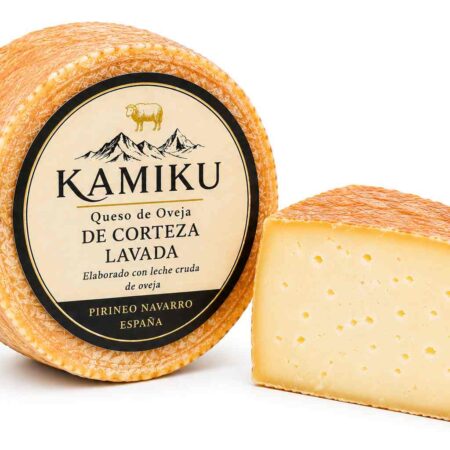
Kamiku – Washed-Rind Sheep Cheese from the Spanish Pyrenees
€24 Add to cart -
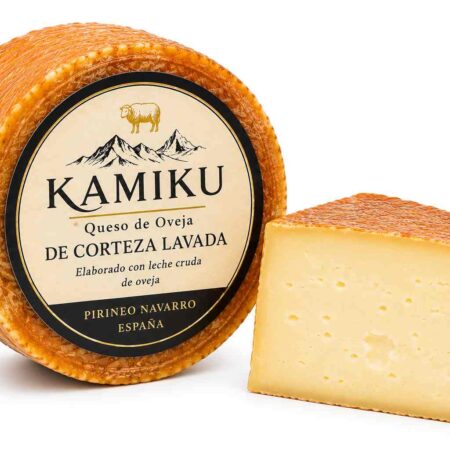
Kamiku Fresh Sheep Cheese with Bifidus
€22 Add to cart -
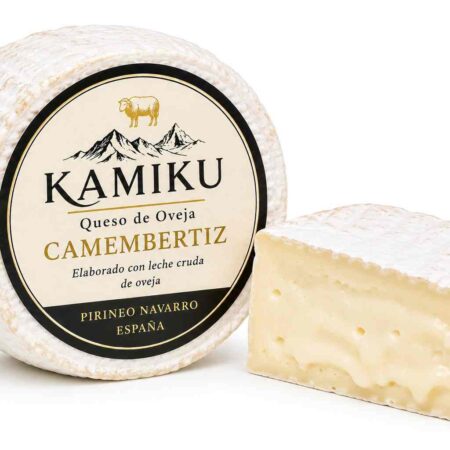
Kamiku Camembertiz Sheep Cheese
€7 Add to cart -
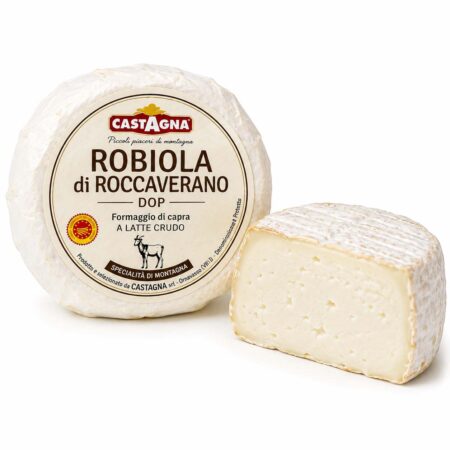
Raw Milk Robiola di Roccaverano DOP / AOP Goat Cheese 300g Piedmont Italy | Castagna Mountain Cheese & Butter
€6 Add to cart -
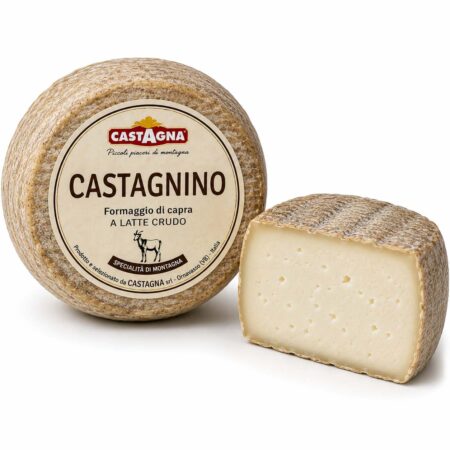
Castagnino Leaf-Aged Artisan Goat Cheese 200g Lombardy Italy | Castagna Mountain Cheese & Butter
€10 Add to cart -
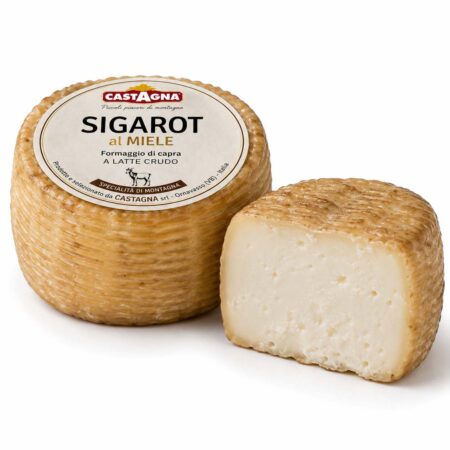
Sigarot al Miele Honey-Aged Artisan Goat Cheese 180g Lombardy Italy | Castagna Mountain Cheese & Butter
€4 Add to cart -
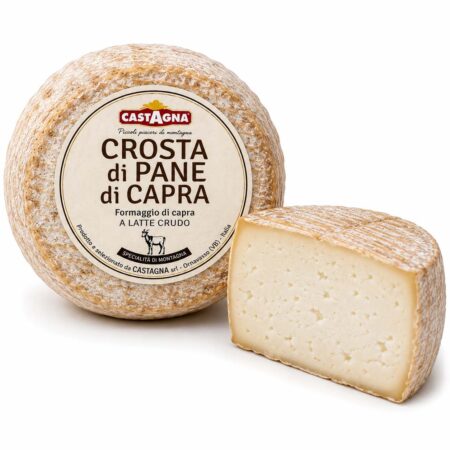
Italian Alpine Goat Cheese with Natural Bread-Crust Rind | Crosta di Pane di Capra | Castagna Mountain Cheese & Butter
€45 Add to cart -
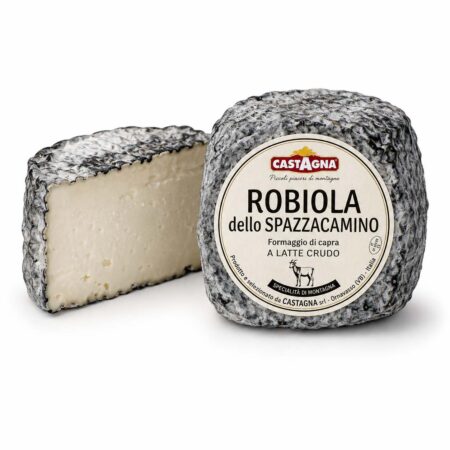
Robiola dello Spazzacamino Traditional Aged Goat Cheese 2.5kg Lombardy Italy | Castagna Mountain Cheese & Butter
€60 Add to cart -
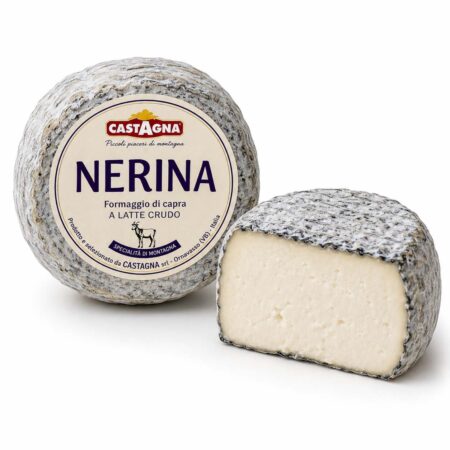
Nerina Ash-Coated Artisan Goat Cheese 250g Lombardy Italy | Castagna Mountain Cheese & Butter
€6 Add to cart -
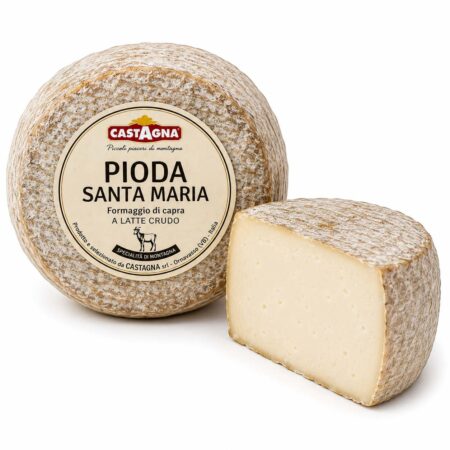
Pioda Santa Maria Artisan Goat Cheese 1kg Lombardy Italy | Castagna Mountain Cheese & Butter
€24 Add to cart -
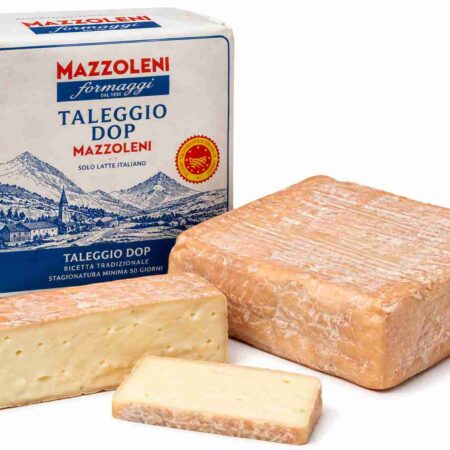
Italian AOP Taleggio Cow’s Milk Cheese 2.2kg | Taleggio DOP | Mazzoleni Formaggi
€27 Add to cart -
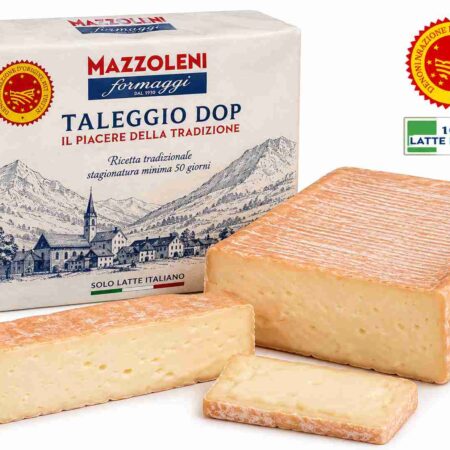
Italian AOP Taleggio Cow’s Milk Cheese “Il Piacere della Tradizione” 2.2kg | Mazzoleni Formaggi
€25 Add to cart -
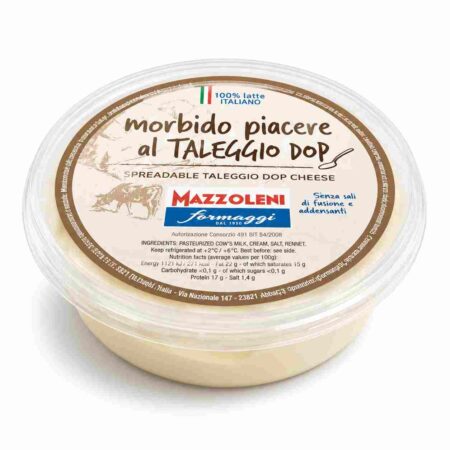
Spreadable Taleggio DOP AOP Cheese | Morbido Piacere al Taleggio | Mazzoleni Formaggi
€4 Add to cart -
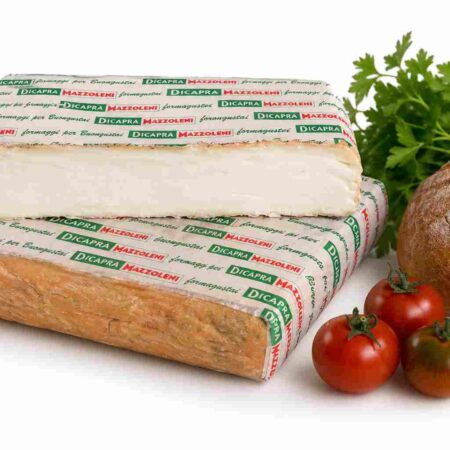
Italian Washed-Rind Goat Cheese 1.8 kg | Dicapra | Mazzoleni Formaggi
€36 Add to cart -
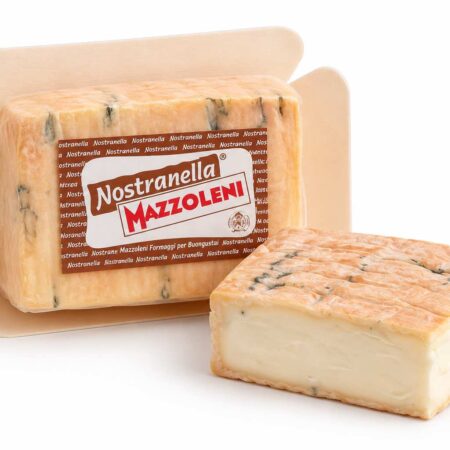
Italian Soft Washed-Rind Cheese 300g | Robiola Nostranella | Mazzoleni Formaggi
€18 Add to cart -
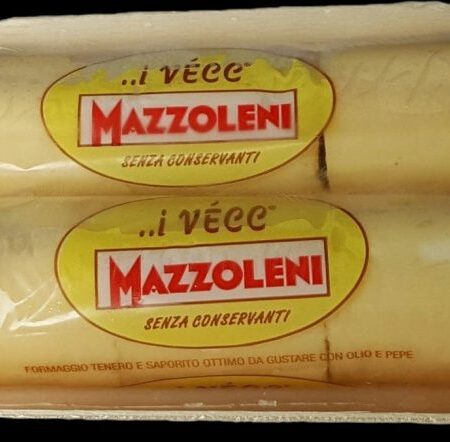
Aged Italian Goat Cheese AOP 2kg Wheel | I Vecc Mazzoleni | Mazzoleni Formaggi
€33 Add to cart -
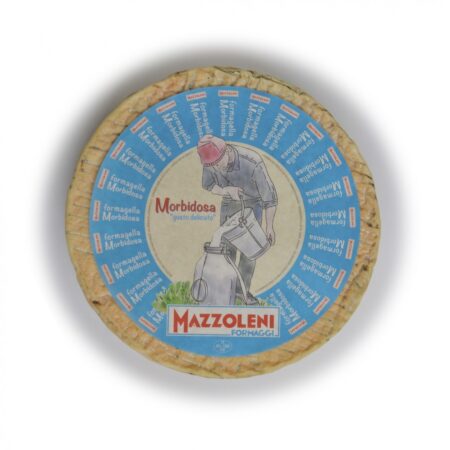
Italian Soft Washed-Rind Cheese Wheel 1.6 kg | Morbidosa | Mazzoleni Formaggi
€24 Add to cart -
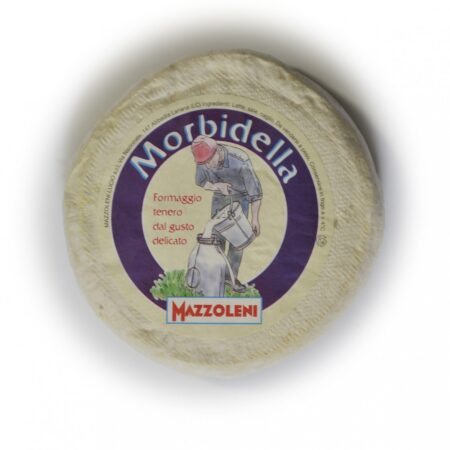
Morbidella Washed-Rind Cheese 700g Cow’s Milk | Mazzoleni Formaggi
€11 Add to cart -
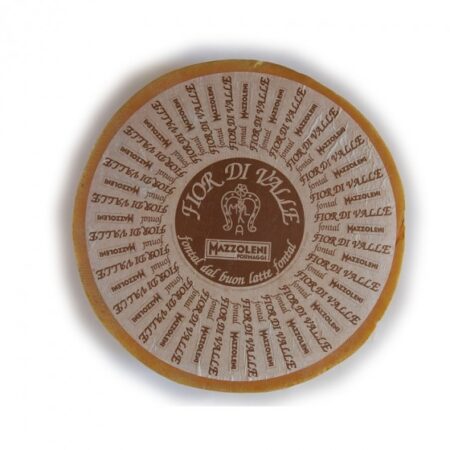
Fontal Fior di Valle Alpine Cow’s Milk Cheese 12kg | Mazzoleni Formaggi
€159 Add to cart -
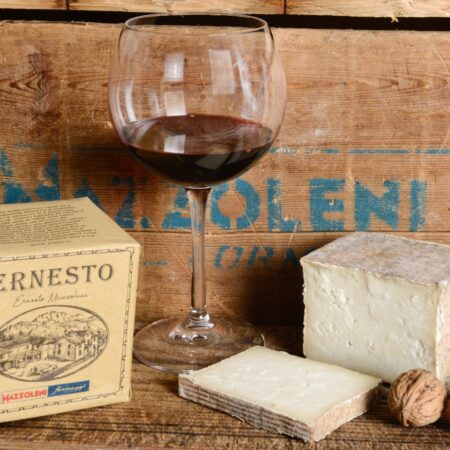
Ernesto Mazzoleni Artisan Cheese Cow’s Milk Tomme Wheel 2kg | Mazzoleni Formaggi
€40 Add to cart -
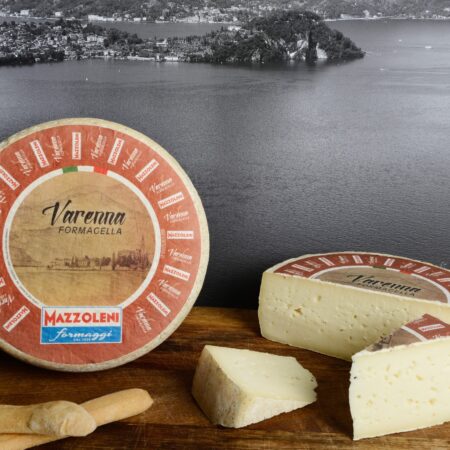
Italian AOP Semi-Aged Formaggella Wheel 1.75kg | Varenna Formaggella | Mazzoleni Formaggi
€21 Add to cart -
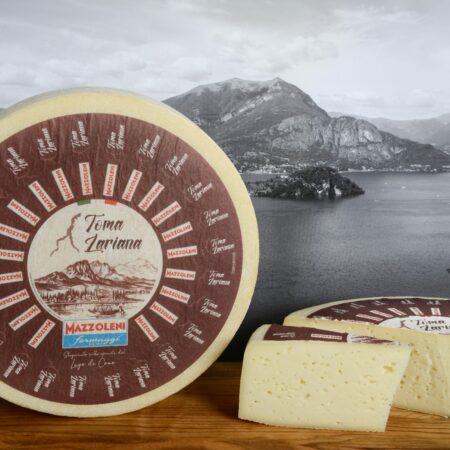
Italian Alpine AOP Cow’s Milk Cheese Tomme Wheel 1.8kg | Toma Lariana | Mazzoleni Formaggi
€20 Add to cart -
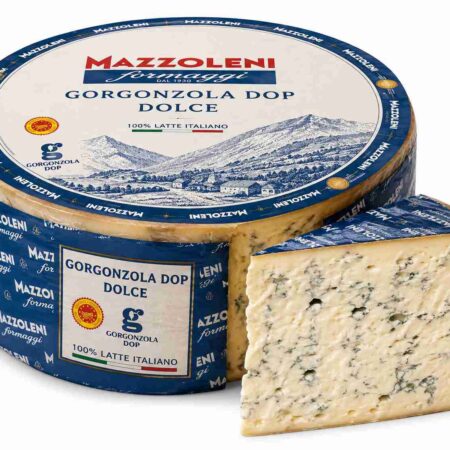
Italian AOP/DOP Blue Cheese Gorgonzola Dolce Wheel 12kg | Mazzoleni Formaggi
€162 Add to cart -
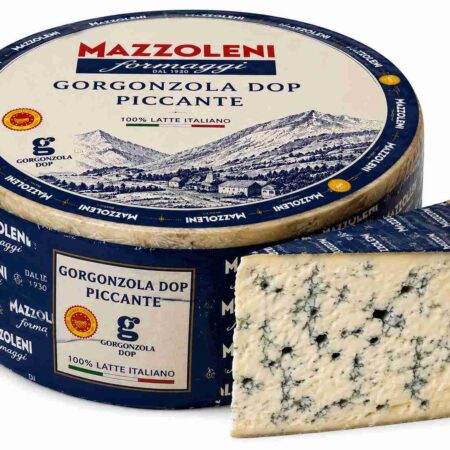
Blue Cheese Gorgonzola DOP/AOP Piccante 12KG | Mazzoleni Formaggi
€197 Add to cart -
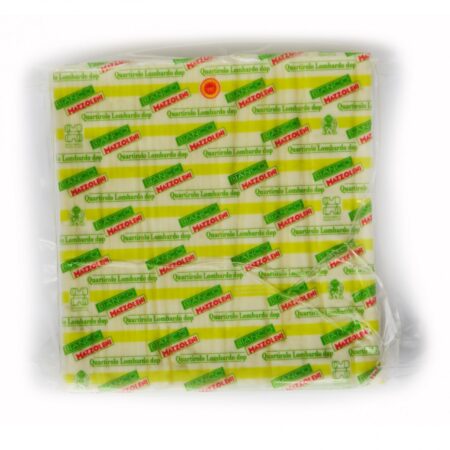
Quartirolo Lombardo AOP/DOP Cow’s Milk Cheese | Mazzoleni Formaggi
€28 Add to cart -
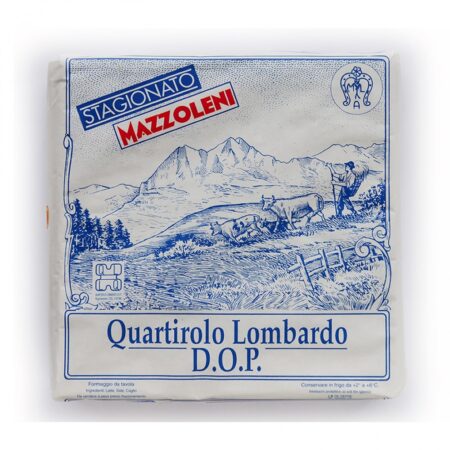
Aged Quartirolo Lombardo AOP/DOP Cow’s Milk Cheese | Italy Mazzoleni Formaggi
€30 Add to cart -
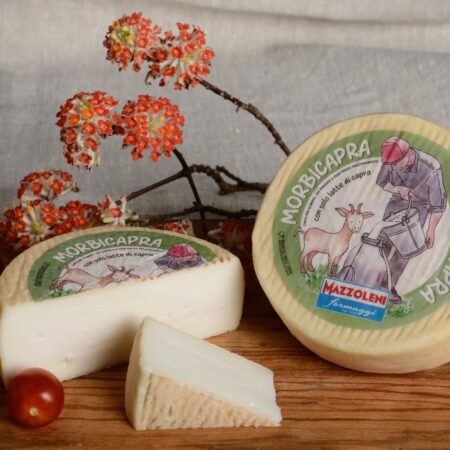
Italian AOP Washed-Rind Goat Cheese Wheel 1.8kg | Morbicapra | Mazzoleni Formaggi
€33 Add to cart -
Sale!
Unsalted Butter 1kg Block Italian Mountain Gress Fed | Mazzoleni Formaggi MOQ 100KG
Original price was: €20.€9Current price is: €9. Add to cart -
Sale!
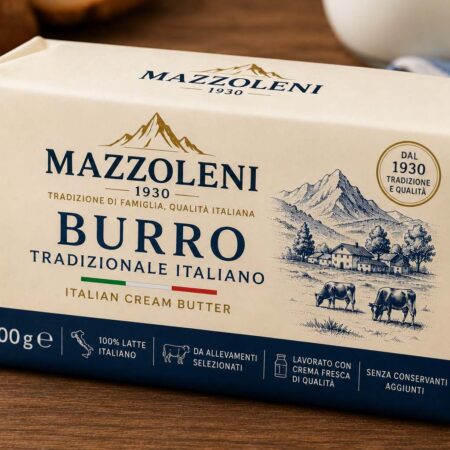
Unsalted Butter 500g Italian Mountain Grass Fed | Mazzoleni Formaggi MOQ 100kg
Original price was: €12.€4Current price is: €4. Add to cart -
Sale!
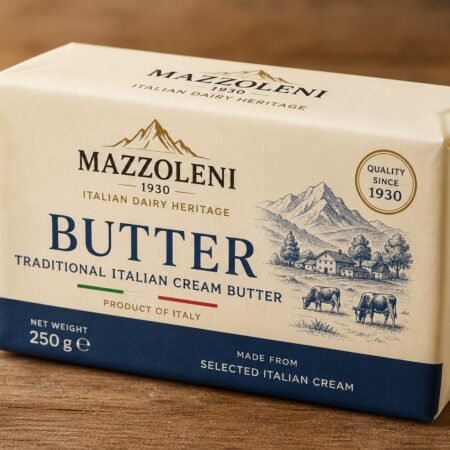
Unsalted Butter 250g Italian Mountain Grass Fed | Mazzoleni Formaggi MOQ 100kg
Original price was: €9.€4Current price is: €4. Add to cart -
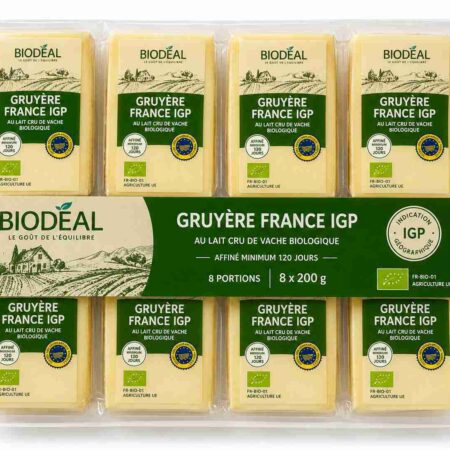
Organic French Gruyère IGP AOP Portions 8 × 200g | Biodéal
€39 Add to cart -
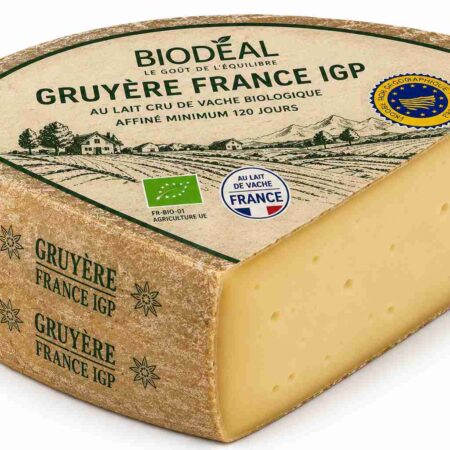
Organic French Gruyère IGP 1/12 Wheel 3.8kg Raw Cow’s Milk Cheese | Biodéal
€84 Add to cart -
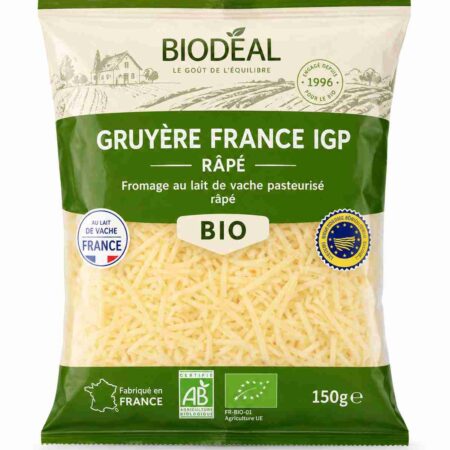
Organic French Gruyère IGP Grated 150g Raw Cow’s Milk Cheese | Biodéal
€8 Add to cart -
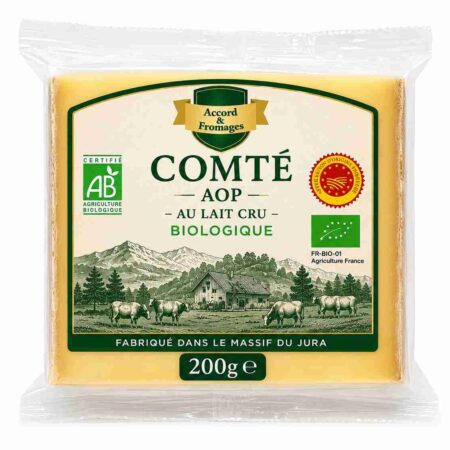
COMTE AOP Slice 200G Organic Certified Raw milk protected-origin cheese | Biodéal
€6 Add to cart -
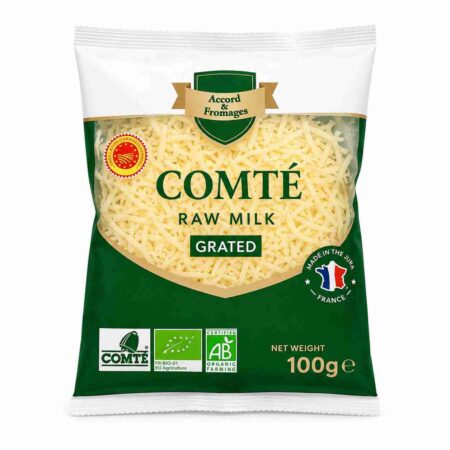
Organic Grated Comté AOP Raw Cow’s Milk Cheese 100g | Biodéal
€3 Add to cart -
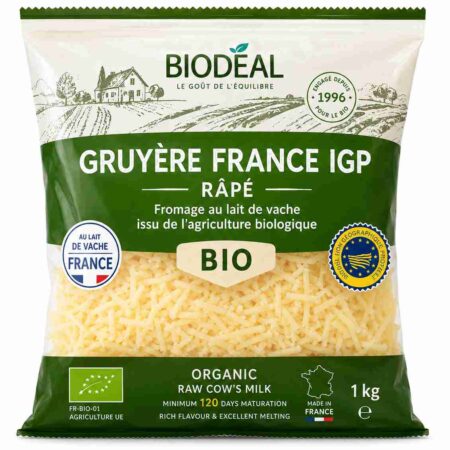
Organic French Gruyère IGP/AOP Grated 1kg | Biodéal (Pre-Order – 300kg MOQ)
€6,828 Add to cart -
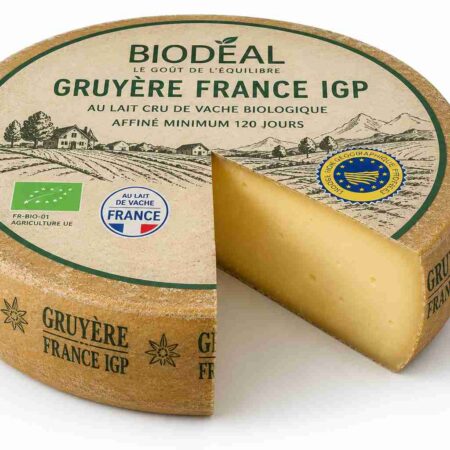
Organic French Gruyère IGP Whole Wheel 45kg Raw Cow’s Milk Cheese | Biodéal
€990 Add to cart -
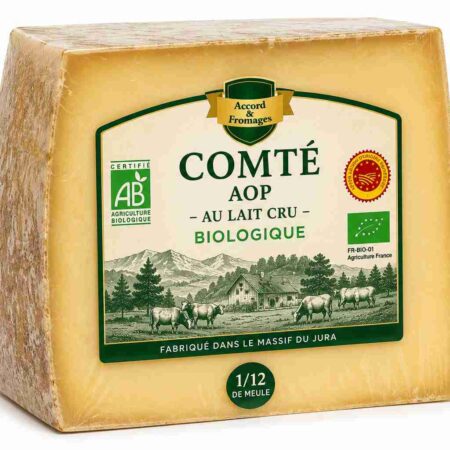
Organic Comté AOP Raw Cow’s Milk Cheese 1/12 Wheel 3.3kg | Biodéal
€77 Add to cart -
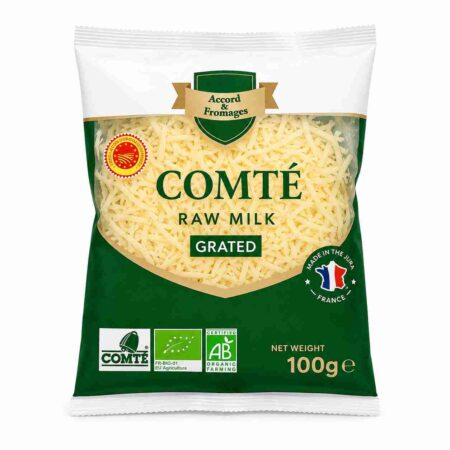
Organic Grated Comté AOP Raw Cow’s Milk Cheese 1kg (Pre-order) | Biodéal
€23 Add to cart -
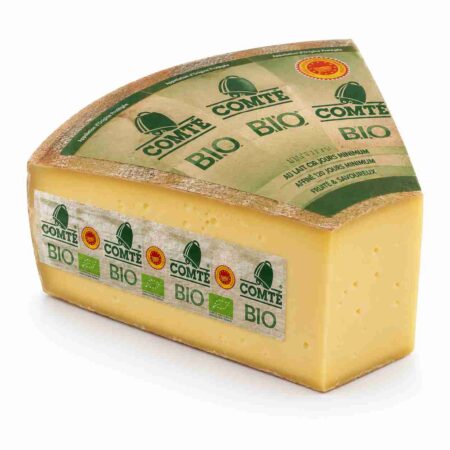
Organic Comté AOP Sliced Raw Cow’s Milk Cheese 120g | 8 Packs | Biodéal
€3 Add to cart -
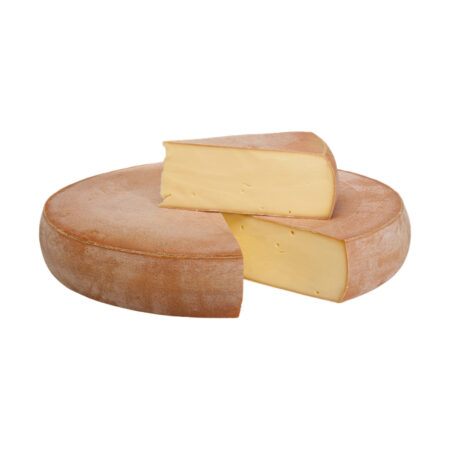
Organic Raclette Nature Whole Wheel 6kg Raw Cow’s Milk Cheese | Fair Trade BIOPARTENAIRE® | Biodéal
€125 Add to cart -
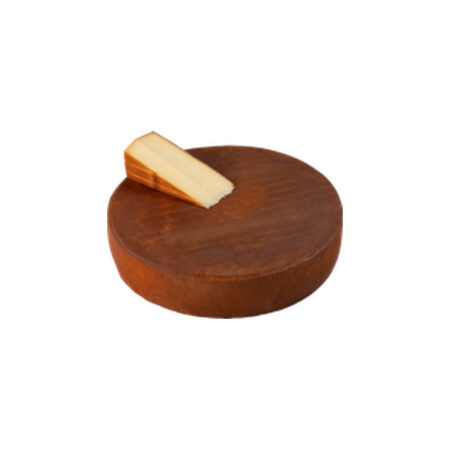
Smoked Raclette Wheel 6.5kg Organic Cow’s Milk Cheese | Fair Trade BIOPARTENAIRE® | Biodéal
€131 Add to cart -
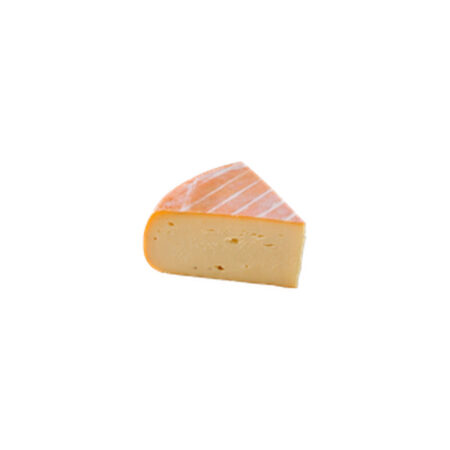
Organic Douceur Ardéchoise Semi-Soft Cow’s Milk Cheese Wheel 2 × 2.5kg | Biodéal
€54 Add to cart -
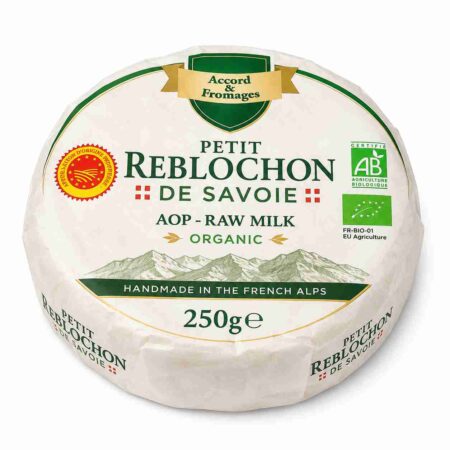
Organic Petit Reblochon de Savoie AOP Raw Cow’s Milk Cheese 12 × 250g | Biodéal
€6 Add to cart -
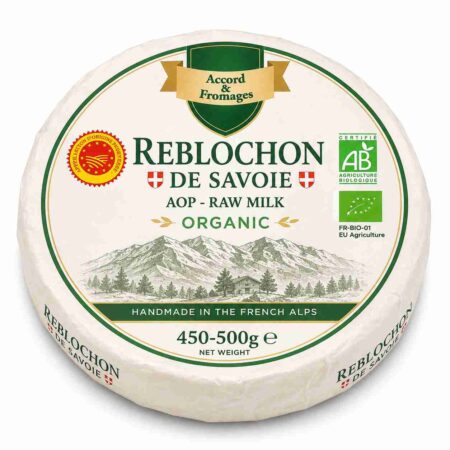
Organic Reblochon de Savoie AOP Raw Cow’s Milk Cheese 6 × 500g | Biodéal
€11 Add to cart -
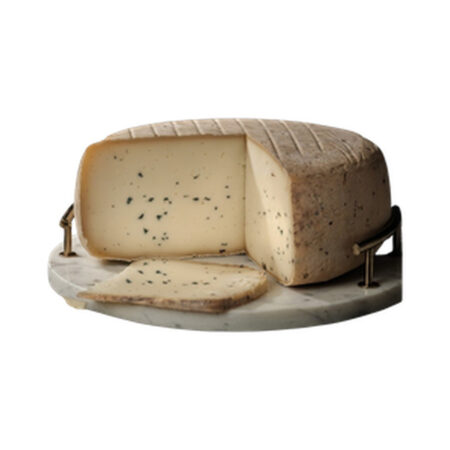
Organic Summer Truffle Basque Tomme Cow’s Milk Cheese 4.5kg | Biodéal
€170 Add to cart -
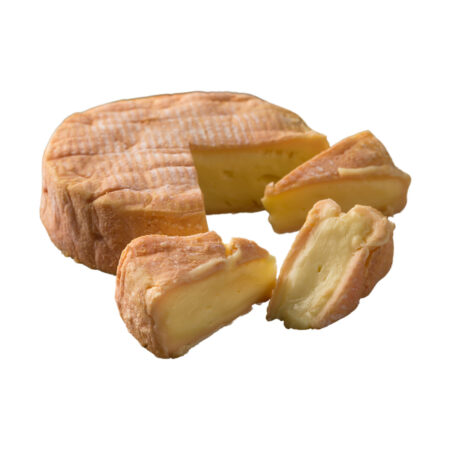
Organic French Munster AOP Cow’s Milk Cheese 6 × 220g | Biodéal
€6 Add to cart -
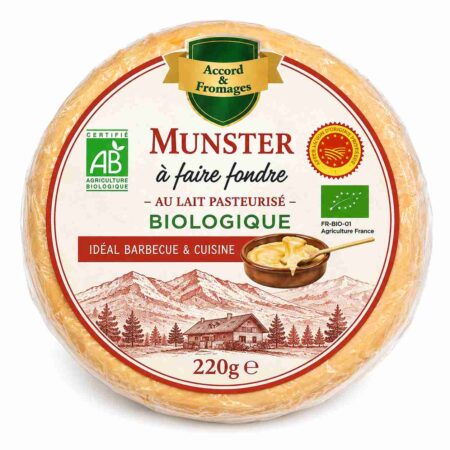
Organic French Melting Munster AOP Cheese 6 × 220g | Biodéal
€6 Add to cart -
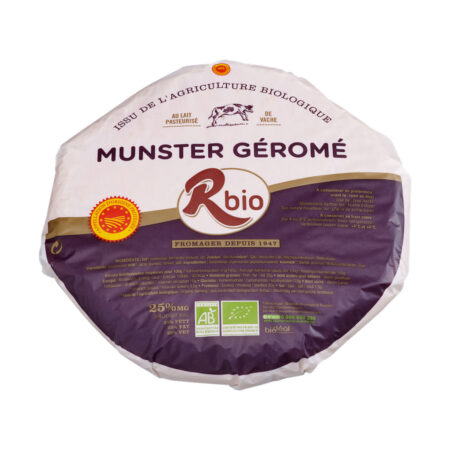
Organic French Munster AOP Whole Cheese 2 × 0.8kg | Biodéal
€44 Add to cart -
Organic Farmhouse Saint-Nectaire AOP Raw Cow’s Milk Cheese 2 × 0.8kg | Biodéal
€48 Add to cart -
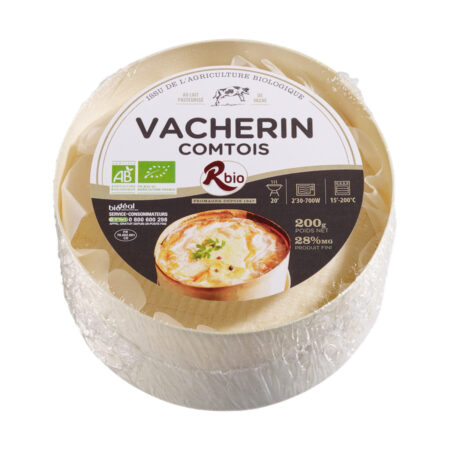
Organic Vacherin du Haut-Doubs AOP Cow’s Milk Cheese 6 × 200g | Biodéal
€7 Add to cart -
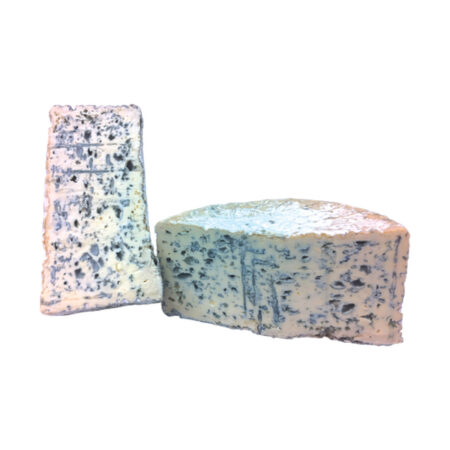
Organic Fair Trade Blue Cheese Saphir du Velay Cow’s Milk Cheese 2 × 2.5kg | Biodéal
€63 Add to cart -
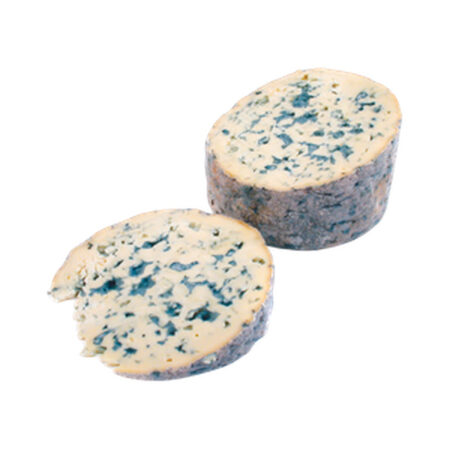
Organic Fair Trade Fourme d’Yssingeaux Blue Cow’s Milk Cheese 2kg | Biodéal
€54 Add to cart -
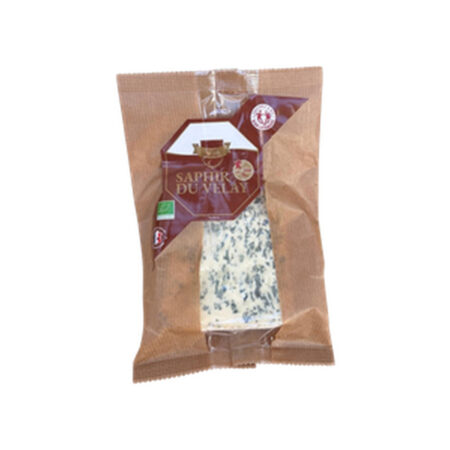
Organic Fair Trade Blue Cheese Saphir du Velay Cow’s Milk 10 × 150g | Biodéal
€5 Add to cart -
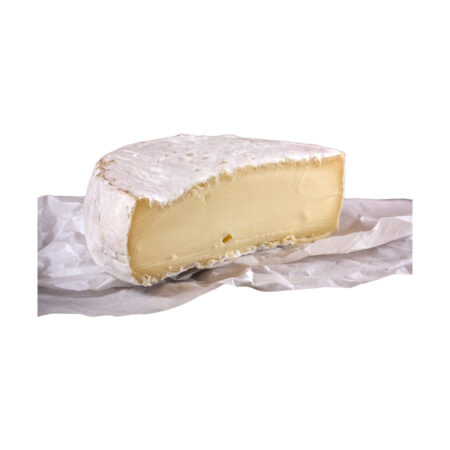
Organic Fair Trade Tomme Givrée Cow’s Milk Cheese 3 × 1.8kg | Biodéal
€43 Add to cart -
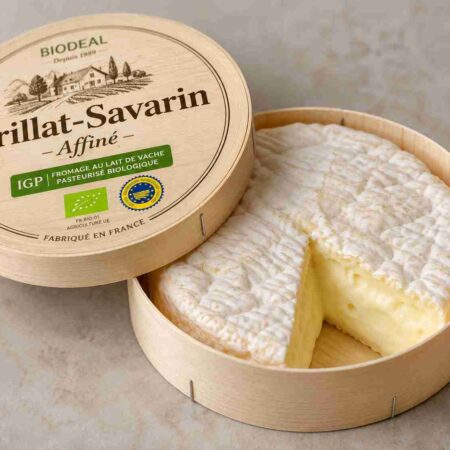
Fair Trade Organic Brillat-Savarin Affiné IGP Triple Cream Cheese 200g Wooden Box | Biodéal
€8 Add to cart -
Fair Trade Organic Black Truffle Triple Cream Cheese 100g Wooden Box | Crémeux de Bourgogne Truffe | Biodéal
€6 Add to cart -
Organic Burgundy Triple Cream Cow’s Milk Cheese 1.5kg | Douceur de Bourgogne | Biodéal
€38 Add to cart -
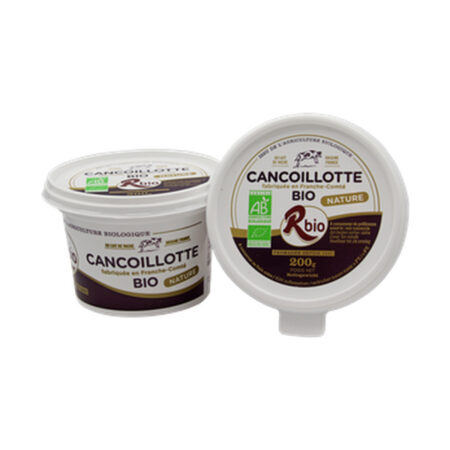
Organic French Spreadable Cooked Cheese 200g | Cancoillotte | Biodéal
€3 Add to cart -
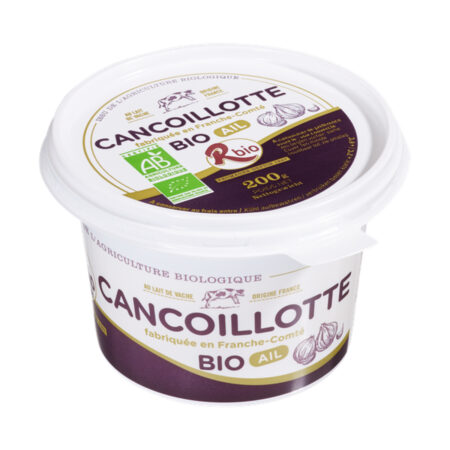
Organic French Garlic Spreadable Cooked Cheese 200g | Cancoillotte à l’Ail | Fair Trade Biodéal
€4 Add to cart -
Sale!
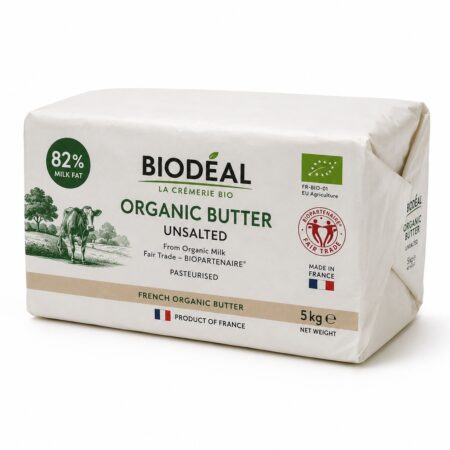
Unsalted Butter 5 KG Block Mountain Grass Fed | Biodéal MOQ 100kg
Original price was: €225.€80Current price is: €80. Add to cart -
Sale!
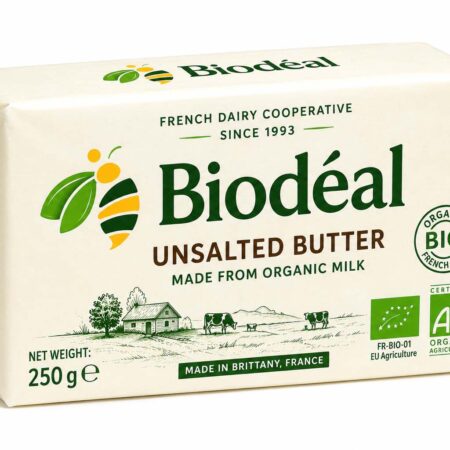
Unsalted Butter 250G Mountain Grass Fed | Biodéal MOQ:100kg
Original price was: €25.€11Current price is: €11. Add to cart -
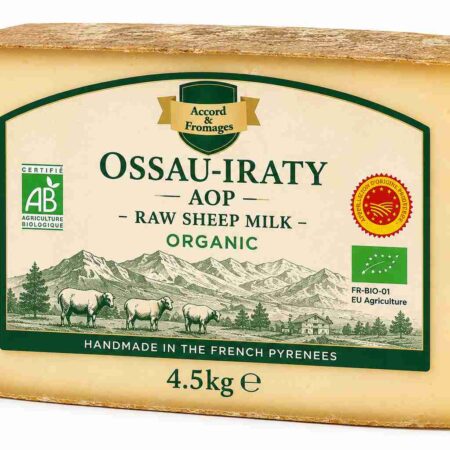
Organic Ossau-Iraty AOP Sheep’s Milk Cheese 4.5kg – Protected-Origin Basque Cheese | Biodéal
€159 Add to cart -
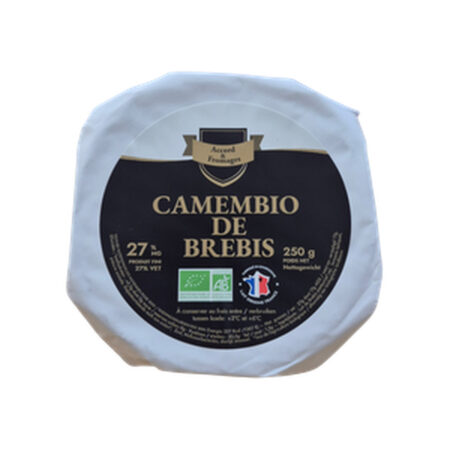
Organic Camembio Sheep’s Milk Cheese 250g | Camembio de Brebis | Biodéal
€7 Add to cart -
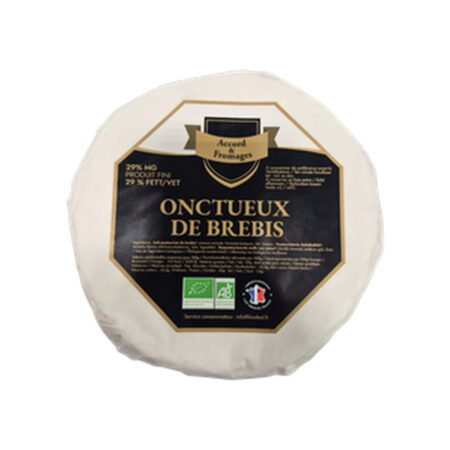
Organic Creamy Sheep’s Milk Cheese 1kg | Onctueux de Brebis | Biodéal
€21 Add to cart -
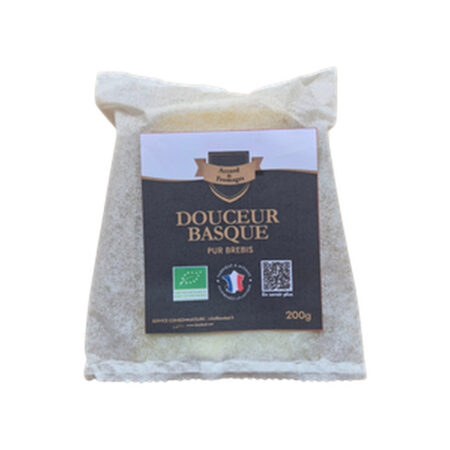
Organic Creamy Basque Cream Cheese Spread 200g | Douceur Basque | Biodéal
€6 Add to cart -
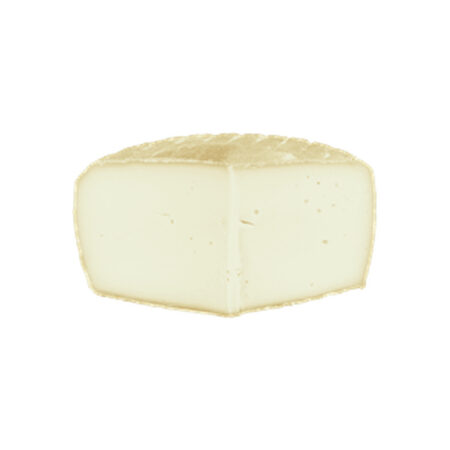
Goat’s Milk Tomme Cheese Wheel 2.5 KG Organic Farmhouse BASCO-BEARNAISE | France Biodéal
€80 Add to cart -
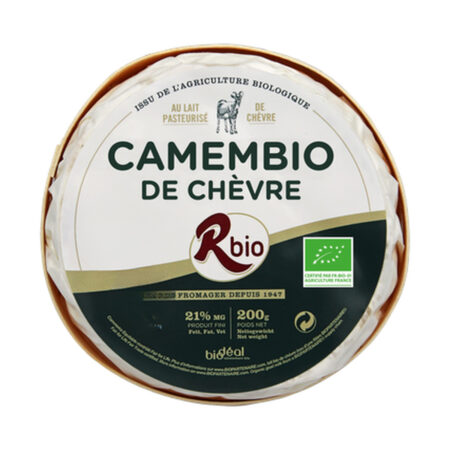
Organic Camembio Goat’s Milk Cheese CAMEMBIO DE CHEVRE 200G | Biodéal
€6 Add to cart