
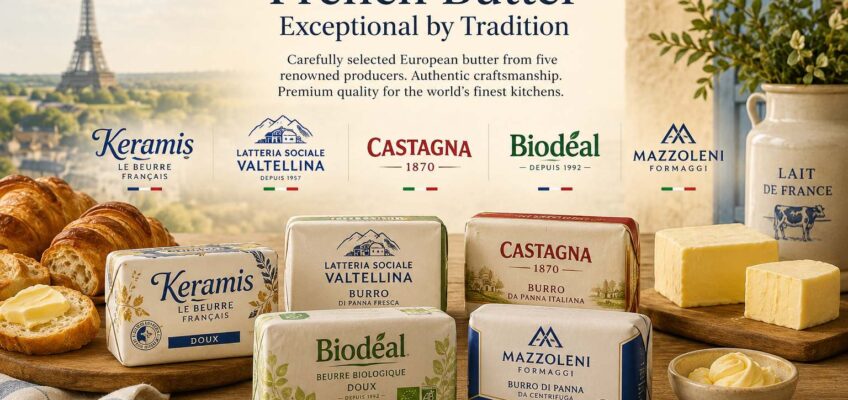
French Organic Gress Fed Certified Butter – Premium Export Supply (EU Origin)
French Butter Needs No Introduction
For centuries, France has been recognised as one of the world’s great butter-producing nations. French butter is inseparable from the country’s culinary identity, appearing every day on breakfast tables, in artisan bakeries, Michelin-starred restaurants, neighbourhood pâtisseries, and the regional cheeses that have made French dairy famous around the world.
When buyers in Japan think of premium European butter, France is often the first country that comes to mind. Its reputation has been built over generations of dairy farming, traditional butter making, and an uncompromising commitment to quality. From flaky croissants and rich beurre blanc sauces to delicate pastries and handcrafted cheeses, French butter has become the benchmark for professional chefs and bakers across the globe.
At BeeBridge, that heritage is the starting point of our European butter portfolio.
We have already established relationships with outstanding European butter producers, including Keramis, Biodéal, Latteria Sociale Valtellina, Castagna, and Mazzoleni Formaggi. Together, these producers represent a diverse range of premium butter styles, from certified organic and grass-fed butter to traditional churned butter and mountain dairy specialities.
Each producer has its own history, philosophy and regional expertise, but they share the same commitment to producing butter that reflects the traditions for which European dairy is internationally respected.
Whether you are sourcing premium organic butter, professional pastry butter, cultured butter, or artisan European butter for retail and food service, BeeBridge provides direct access to carefully selected producers through a single commercial relationship.
-
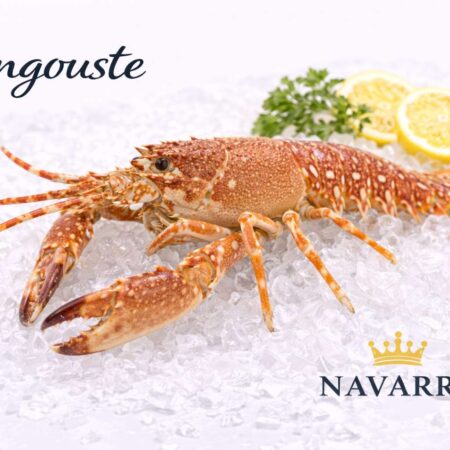
Langouste (Palinurus elephas) — Spiny Lobster French Royal Elegance
Read more -
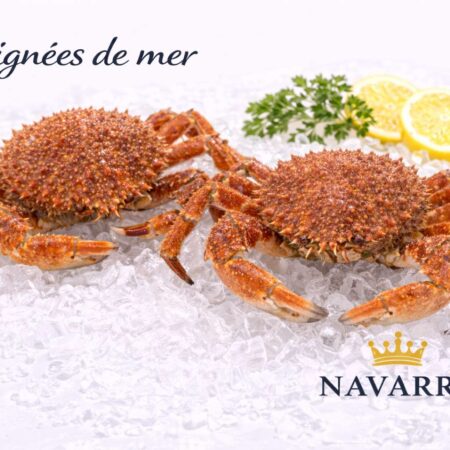
Spider Crab — Marine Intensity European Spider Crab (Maja brachydactyla) クモガニ
Read more -
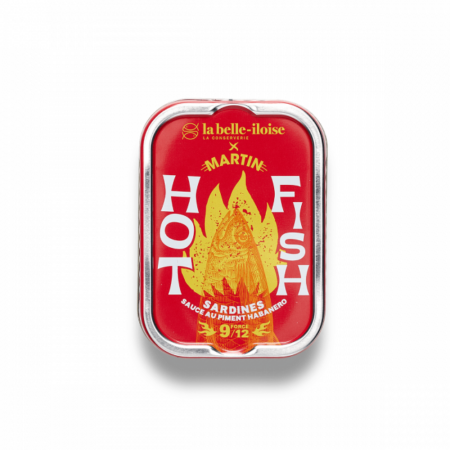
French Canned Sardines with Habanero Pepper
€5 Add to cart -
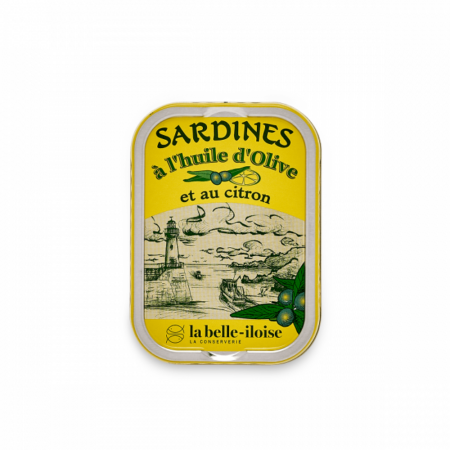
French Canned Sardines in Extra Virgin Olive Oil with Lemon
€4 Add to cart -
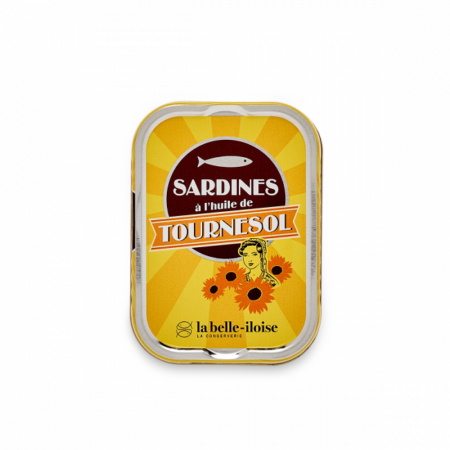
French Canned Sardines in Sunflower Oil
€4 Add to cart -
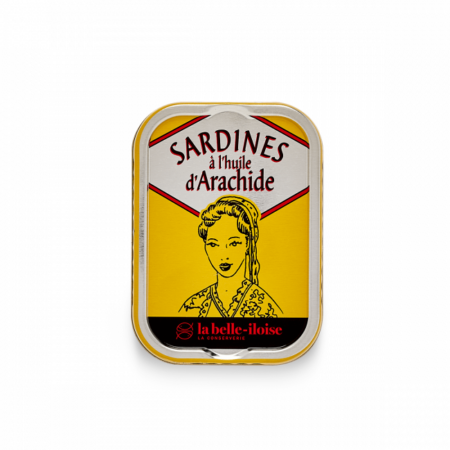
French Canned Sardines in Peanut Oil
€4 Add to cart -
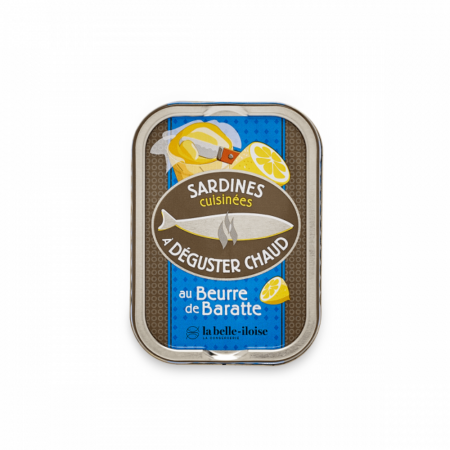
French Canned Sardines with Churned Butter (Serve Warm)
€5 Add to cart -
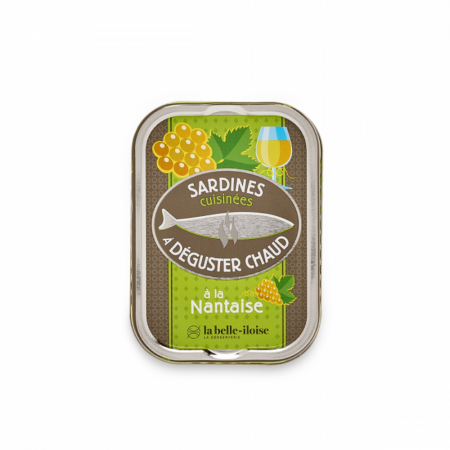
French Canned Cooked Sardines “à la Nantaise” (Served Warm)
€5 Add to cart -
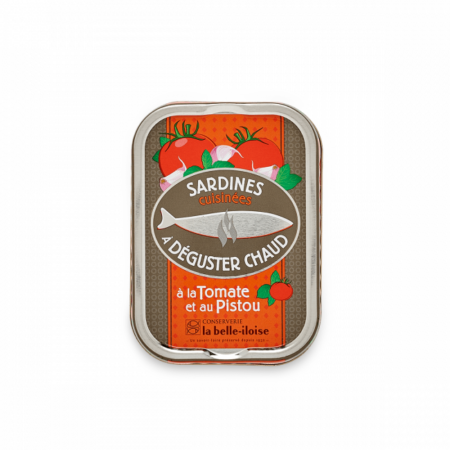
French Canned Cooked Sardines with Tomato & Pistou (Served Warm)
€5 Add to cart -
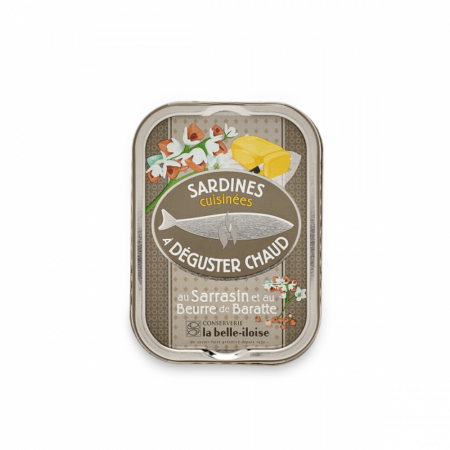
French Canned Cooked Sardines with Buckwheat & Churned Butter (Served Warm)
€5 Add to cart -
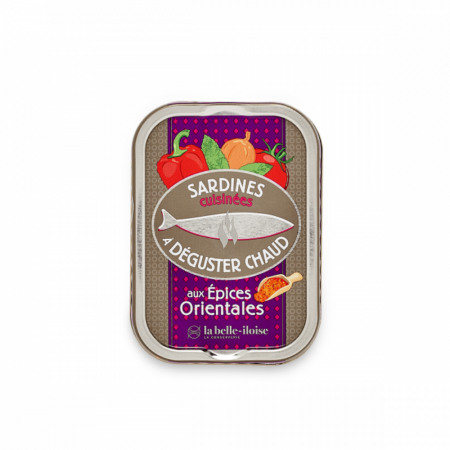
French Canned Sardines with Oriental Spices (Served Warm)
€5 Add to cart -
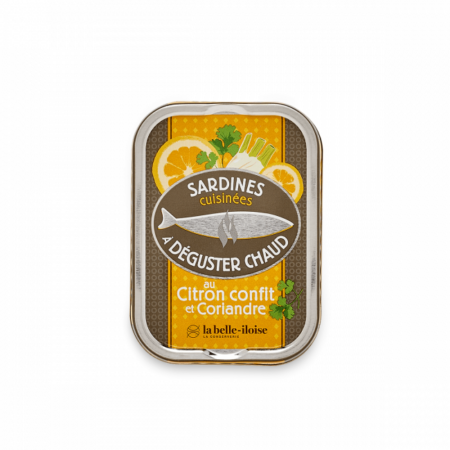
French Canned Sardines with Lemon & Coriander (Serve Warm)
€5 Add to cart

Butter Types — English / French / Usage
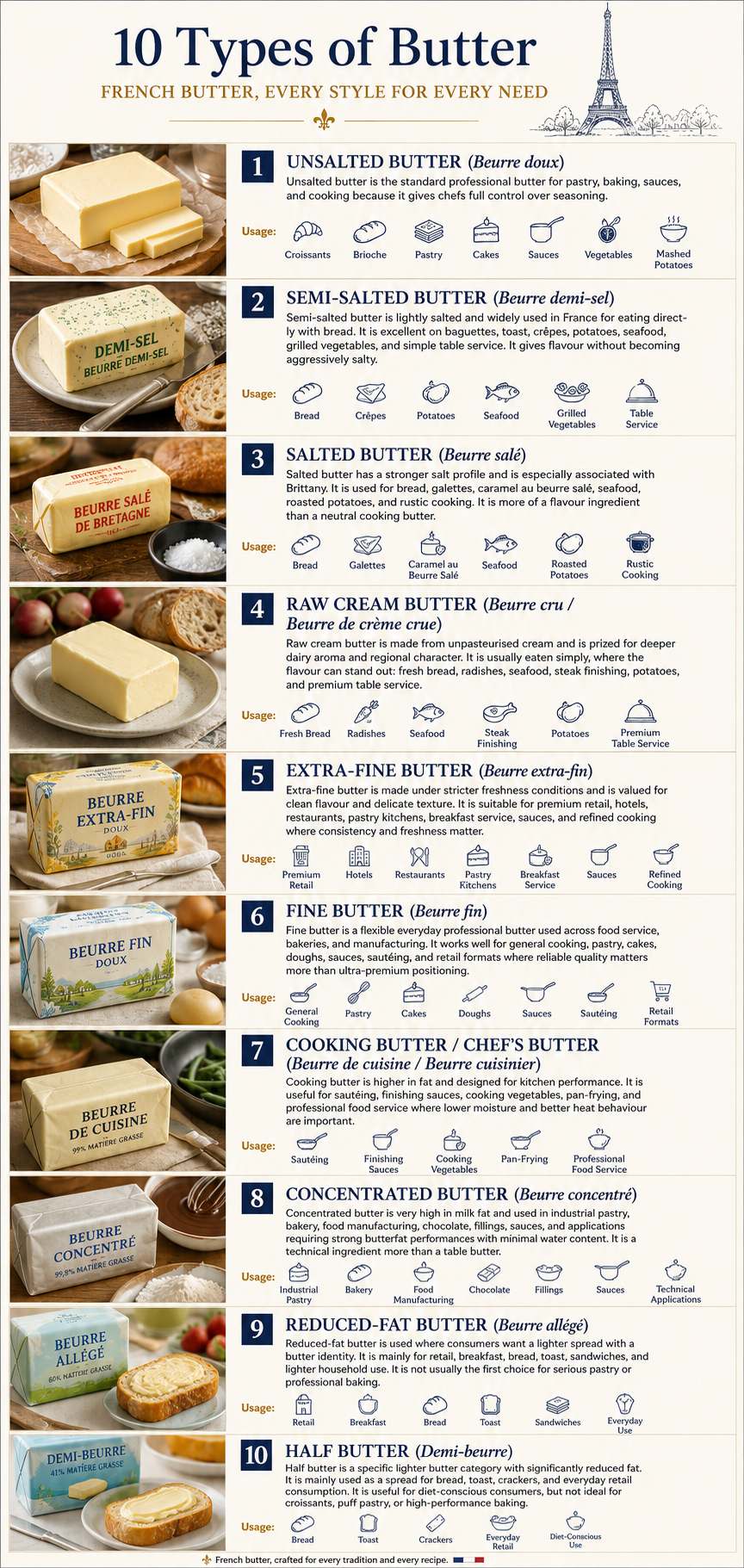
1. Unsalted Butter (Beurre doux)
Unsalted butter is the standard professional butter for pastry, baking, sauces, and cooking because it gives chefs full control over seasoning. It is used for croissants, brioche, puff pastry, cakes, madeleines, financiers, beurre blanc, mashed potatoes, vegetables, and general kitchen preparation.
2. Semi-Salted Butter (Beurre demi-sel)
Semi-salted butter is lightly salted and widely used in France for eating directly with bread. It is excellent on baguettes, toast, crêpes, potatoes, seafood, grilled vegetables, and simple table service. It gives flavour without becoming aggressively salty.
3. Salted Butter (Beurre salé)
Salted butter has a stronger salt profile and is especially associated with Brittany. It is used for bread, galettes, caramel au beurre salé, seafood, roasted potatoes, and rustic cooking. It is more of a flavour ingredient than a neutral cooking butter.
4. Raw Cream Butter (Beurre cru / Beurre de crème crue)
Raw cream butter is made from unpasteurised cream and is prized for deeper dairy aroma and regional character. It is usually eaten simply, where the flavour can stand out: fresh bread, radishes, seafood, steak finishing, potatoes, and premium table service.
5. Extra-Fine Butter (Beurre extra-fin)
Extra-fine butter is made under stricter freshness conditions and is valued for clean flavour and delicate texture. It is suitable for premium retail, hotels, restaurants, pastry kitchens, breakfast service, sauces, and refined cooking where consistency and freshness matter.
6. Fine Butter (Beurre fin)
Fine butter is a flexible everyday professional butter used across food service, bakeries, and manufacturing. It works well for general cooking, pastry, cakes, doughs, sauces, sautéing, and retail formats where reliable quality matters more than ultra-premium positioning.
7. Cooking Butter / Chef’s Butter (Beurre de cuisine / Beurre cuisinier)
Cooking butter is higher in fat and designed for kitchen performance. It is useful for sautéing, finishing sauces, cooking vegetables, pan-frying, and professional food service where lower moisture and better heat behaviour are important.
8. Concentrated Butter (Beurre concentré)
Concentrated butter is very high in milk fat and used in industrial pastry, bakery, food manufacturing, chocolate, fillings, sauces, and applications requiring strong butterfat performance with minimal water content. It is a technical ingredient more than a table butter.
9. Reduced-Fat Butter (Beurre allégé)
Reduced-fat butter is used where consumers want a lighter spread with a butter identity. It is mainly for retail, breakfast, bread, toast, sandwiches, and lighter household use. It is not usually the first choice for serious pastry or professional baking.
10. Half Butter (Demi-beurre)
Half butter is a specific lighter butter category with significantly reduced fat. It is mainly used as a spread for bread, toast, crackers, and everyday retail consumption. It is useful for diet-conscious consumers, but not ideal for croissants, puff pastry, or high-performance baking.
What French Organic Certification Means for French Butter
Organic butter from France is not simply butter with a premium label. It is butter produced under the European organic system, which controls how the milk is produced, how the cows are raised, how they are fed, how the cream is processed, and how the final product is certified before it can be sold as organic.
For French butter to be sold as organic, the milk must come from certified organic farms operating under EU organic regulation. These rules cover the full production chain, from farm management and animal feed to processing, labelling and inspection.
The difference begins with the cows. Organic dairy cows must be fed primarily with organic feed, with strong limits on conventional feed inputs. Genetically modified feed is not permitted under EU organic rules. The system is designed to move away from the industrial model of intensive corn-fed milk production and toward farming based on organic land, organic forage, pasture access and animal welfare.
Organic certification also matters because it protects the butter’s origin story. The cream used for organic butter must come from milk produced inside a certified organic chain. That means the farm, milk collection, dairy processor, butter production site and labelling process are all subject to control. The organic claim cannot simply be added at the marketing stage.
In France, organic products may carry the EU organic logo and the French AB — Agriculture Biologique mark. These labels tell buyers that the product has been certified by an authorised control body and produced according to recognised organic standards. The EU organic logo is used to identify products that follow EU organic production, processing, handling and distribution rules.
For butter buyers, this has a very practical meaning. Organic French butter is not only about flavour. It is about trust. It gives importers, retailers, chefs and food manufacturers a documented standard behind the product: certified organic milk, controlled production, traceable processing, and recognised European labelling.
That is why organic certification is so important for French butter. It protects the value of the milk before it becomes butter. It protects the credibility of the producer. And it protects the buyer from vague claims about “natural,” “farm-made,” or “premium” butter that are not backed by a formal certification system.