
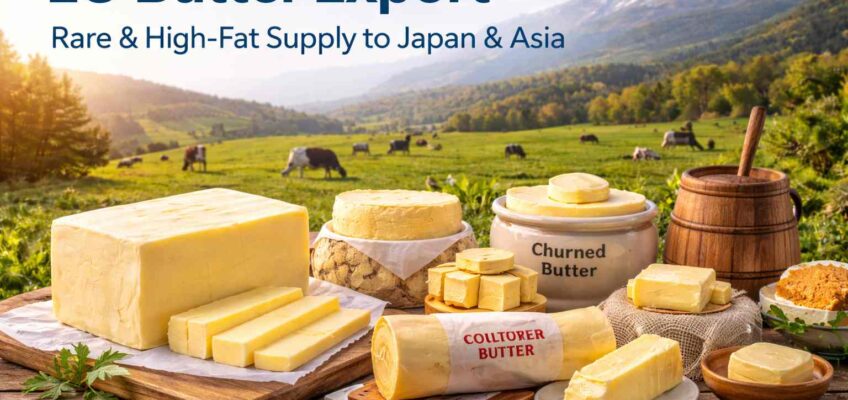
🧈 EU Butter Export to Japan, Taiwan and USA – Unsalted & High-Fat Supply
European Butter Wholesale from Europe’s Leading Artisan Producers
European butter is not one product. It is a collection of regional traditions, milk qualities, production methods and butter-making expertise developed over centuries across France, Italy, Belgium, Portugal, Spain and other European dairy regions. BeeBridge brings these producers together into a single wholesale sourcing platform for importers, distributors, bakeries, hotels and food manufacturers across Japan and Asia. Instead of contacting dozens of dairies individually, buyers gain access to one commercial relationship and a growing portfolio of premium European butter producers.
Explore European Butter by Type
European butter is produced using a wide range of traditional and modern production methods, each designed for different culinary, commercial and industrial applications. BeeBridge works with producers across Europe to offer butter suitable for artisan bakeries, premium retail, food manufacturing and wholesale distribution.
- Unsalted Butter — The professional standard for pastry, baking, sauces and food manufacturing, giving chefs and manufacturers complete control over seasoning and recipe development.
- Semi-Salted Butter (Demi-Sel) — Traditional European butter with a delicate balance of salt and cream, popular for table butter, gourmet retail and premium culinary applications.
- Salted Butter — Classic European butter with a higher salt content, ideal for retail, hospitality, food service and everyday culinary use.
- Cultured Butter (Aged Cream Butter) — Produced from carefully matured and fermented cream before churning, creating a richer aroma, deeper flavour and exceptional performance in premium pastry, viennoiserie and fine dining. One of Europe’s most distinctive butter traditions.
- Churned Butter (Beurre de Baratte) — Butter produced using traditional batch-churning methods, valued for its texture, craftsmanship, flavour development and authentic European heritage.
- Grass-Fed Organic Butter — Certified organic butter produced from pasture-based farming systems, combining European organic certification with the distinctive flavour and colour associated with grass-fed milk.
- Butter Blocks for Food Service & Industry — Large-format butter available in 5kg, 10kg and 25kg blocks for bakeries, pastry manufacturers, restaurants, hotels and industrial food production.
- Milk Fat / Butterfat (99.9%) — Concentrated milk fat designed for industrial food manufacturing, confectionery, bakery, chocolate production and specialised food applications requiring pure butterfat.
- AOP / PDO Butter — Protected-origin butter produced under strict European geographical regulations, preserving traditional regional butter-making methods and recognised quality standards.
-
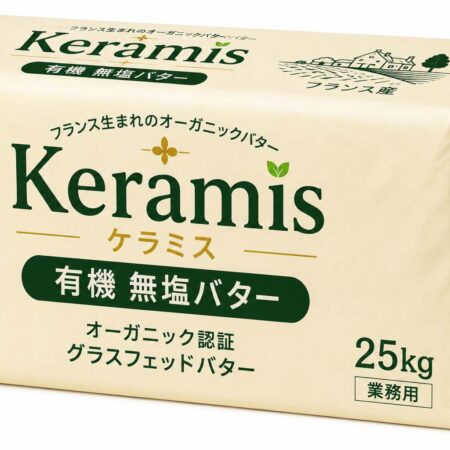
French Unsalted Butter Grass Fed Certified Organic – 25kg Block Keramis MOQ 100KG
€370 Add to cart -
Sale!
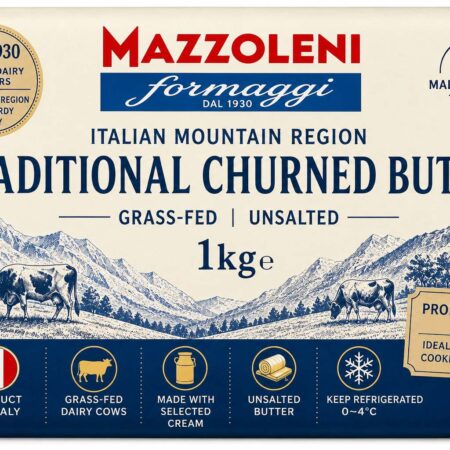
Churned Butter 1kg with Traditional Italian Cream Mountain Grass Fed – Mazzoleni Formaggi MOQ 100kg
Original price was: €20.€9Current price is: €9. Add to cart -
Sale!
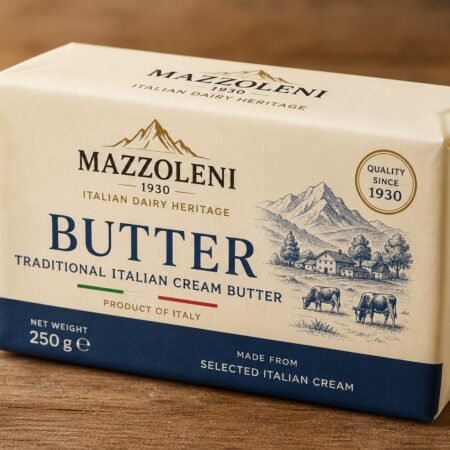
Unsalted Butter 250g Italian Mountain Grass Fed | Mazzoleni Formaggi MOQ 100kg
Original price was: €9.€4Current price is: €4. Add to cart -
Sale!
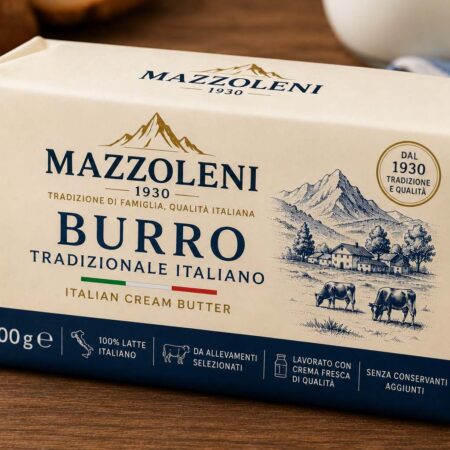
Unsalted Butter 500g Italian Mountain Grass Fed | Mazzoleni Formaggi MOQ 100kg
Original price was: €12.€4Current price is: €4. Add to cart -
Sale!
Unsalted Butter 1kg Block Italian Mountain Gress Fed | Mazzoleni Formaggi MOQ 100KG
Original price was: €20.€9Current price is: €9. Add to cart -
Sale!
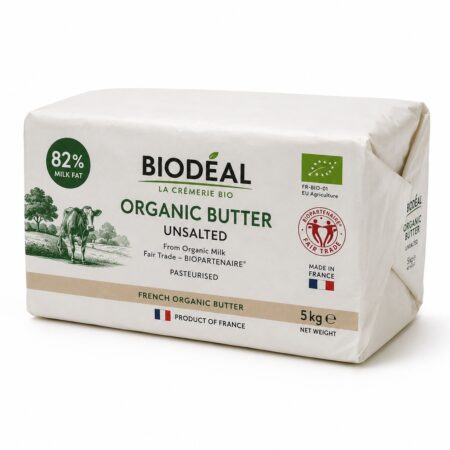
Unsalted Butter 5 KG Block Mountain Grass Fed | Biodéal MOQ 100kg
Original price was: €225.€80Current price is: €80. Add to cart -
Sale!
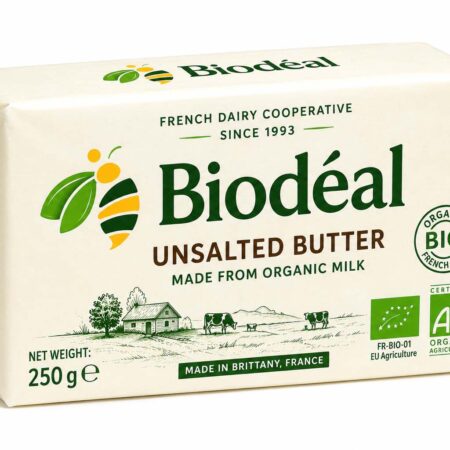
Unsalted Butter 250G Mountain Grass Fed | Biodéal MOQ:100kg
Original price was: €25.€11Current price is: €11. Add to cart -
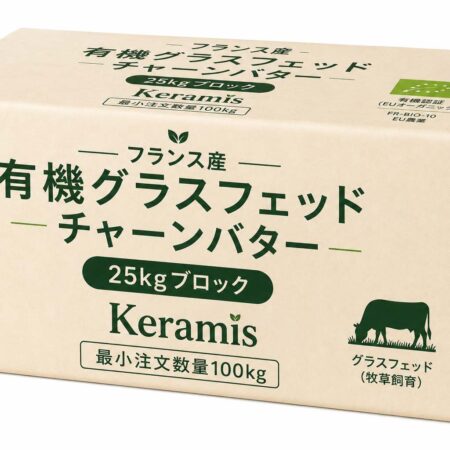
Churn Butter 25kg Block Organic Certified Grass Fed | Keramis MOQ 100kg
€370 Add to cart -
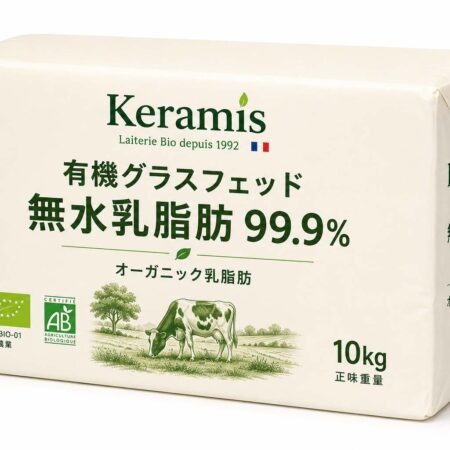
Concentrated Butterfat 99.9% Cream 10KG Organic Certified Grass Fed Milk Fat | Keramis MOQ100kg
€240 Add to cart -
Sale!
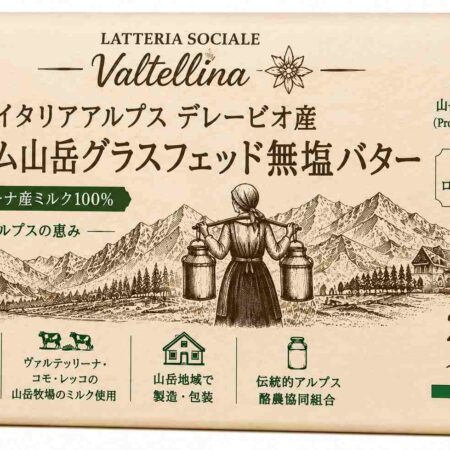
Unsalted Butter 200g Italian Alpine Grass-Fed | Latteria Sociale Valtellina MOQ 100kg
Original price was: €10.€4Current price is: €4. Add to cart -
Sale!
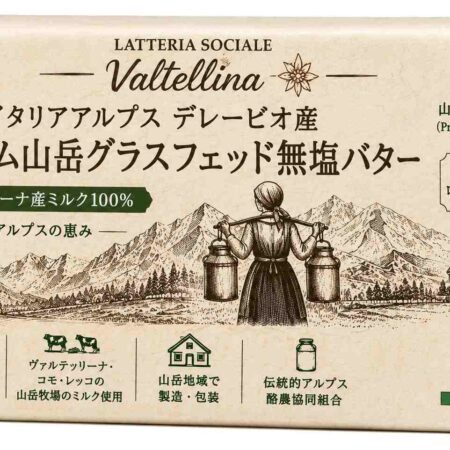
Unsalted Butter 100g Italian Alpine Grass-Fed | Latteria Sociale Valtellina MOQ 100kg
Original price was: €8.€3Current price is: €3. Add to cart -
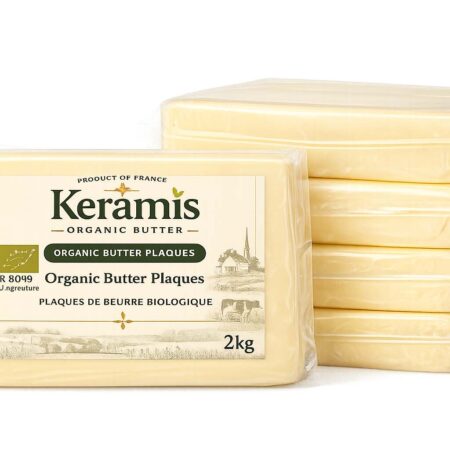
Unsalted Butter Block 10kg Organic Certified Grass Fed | Keramis MOQ:100kg
€237 Add to cart -
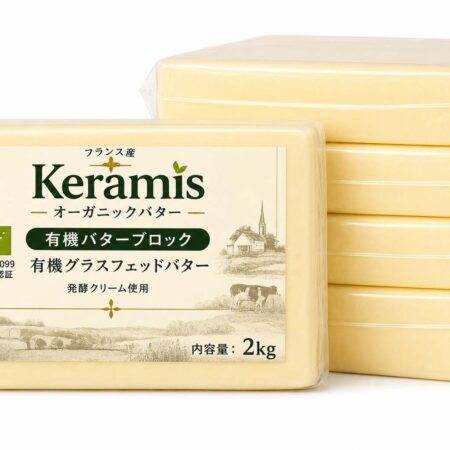
Semi-Salted Butter 10 KG Certified Organic Grass Fed | Keramis MOQ 100kg
€222 Add to cart -
Sale!
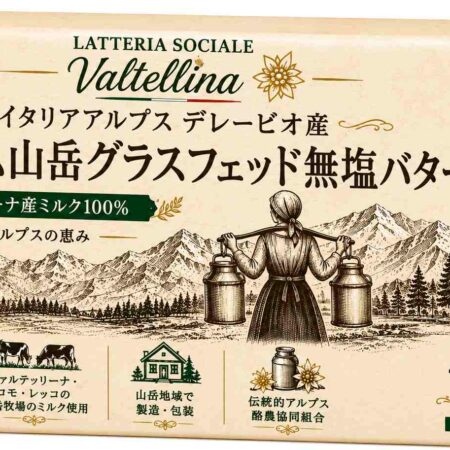
Unsalted Butter 400g Grass-Fed Mountains of Italy | Latteria Sociale Valtellina MOQ 100kg
Original price was: €16.€8Current price is: €8. Add to cart -
Sale!
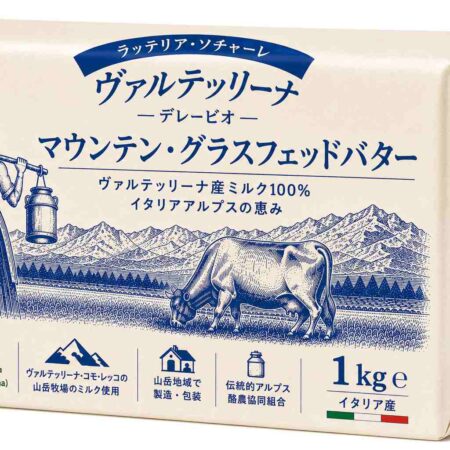
Unsalted Butter 1kg Block Alpine Grass-Fed Mountains of Italy | Latteria Sociale Valtellina MOQ 100kg
Original price was: €30.€16Current price is: €16. Add to cart -
Sale!
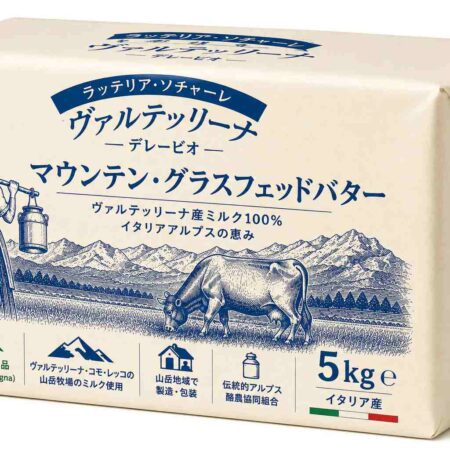
Unsalted Butter 5kg Block Italian Alpine Grass-Fed | Latteria Sociale Valtellina MOQ 100kg
Original price was: €120.€75Current price is: €75. Add to cart -
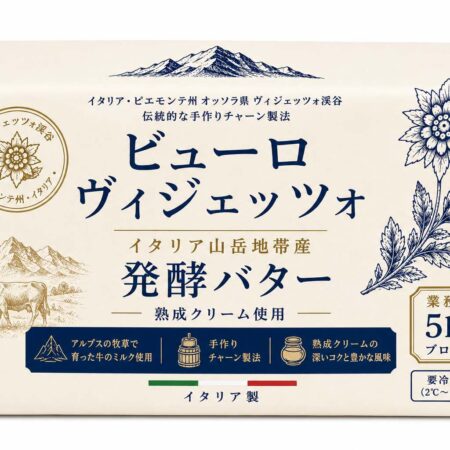
Cultured Butter 5kg Block Hand Made Churned Aged Cream Traditional Italian Mountain Burro Vigezzo MOQ 100kg
€100 Add to cart -
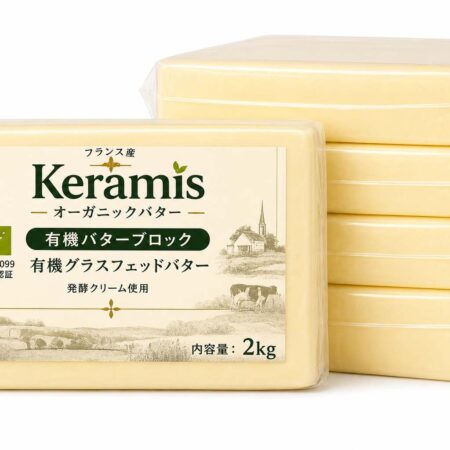
French Cultured Laminating Butter 10 × 1kg Certified Organic Grass-Fed | Keramis MOQ 100kg
€237 Add to cart -
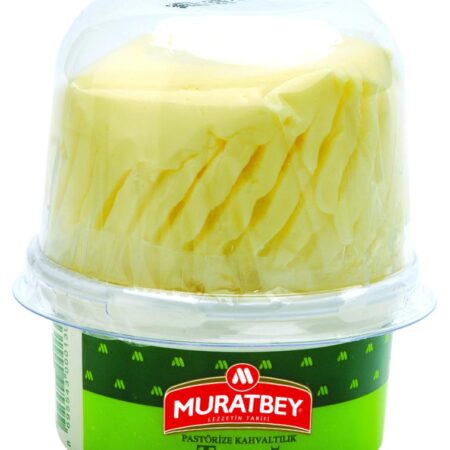
Premium Turkish Pasteurised Breakfast Butter | Muratbey
Read more -
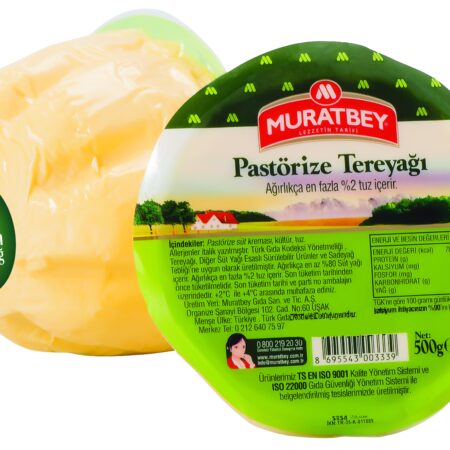
Premium Turkish Salted Cultured Butter (Trabzon Butter) | Muratbey
Read more

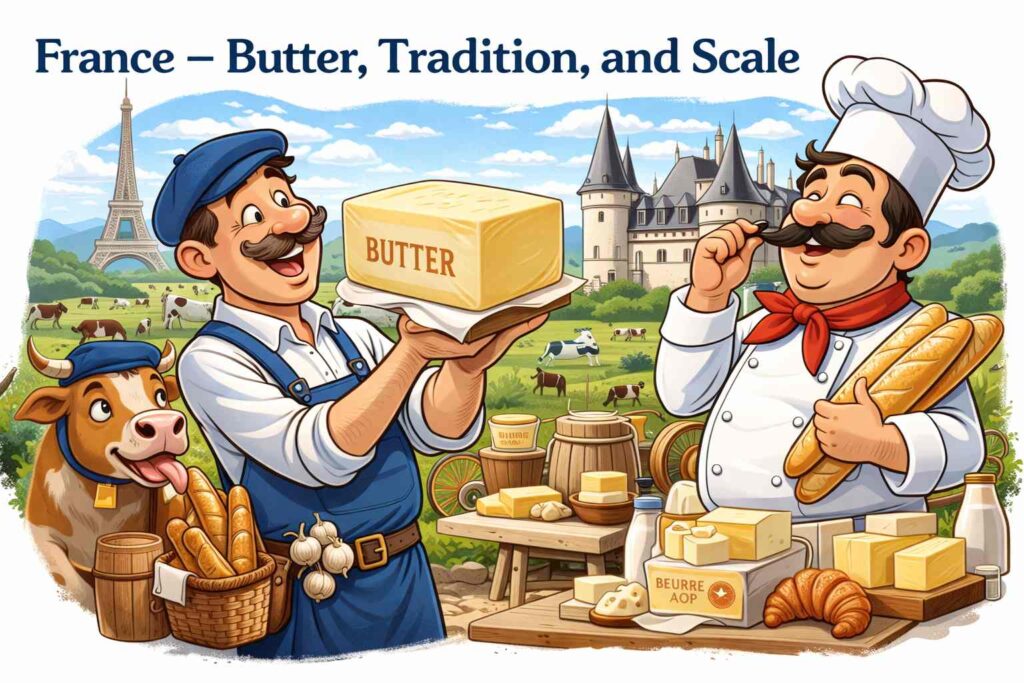 France — High-Fat Standard and Regional Depth
France defines the global benchmark for butter. High-fat butter, typically standardized between 82% and 84%, is the norm across both retail and professional formats. This consistency makes French butter the preferred base for bakery, pastry, and food service applications worldwide.
What distinguishes France is not only its scale, but its depth.
Traditional production methods such as beurre de baratte (churned butter) and cultured butter introduce flavor complexity and texture variation that cannot be replicated in purely industrial systems. AOP-certified butter from regions such as Isigny and Charentes-Poitou adds another layer of traceability and origin-based value.
At the same time, France maintains the infrastructure required for export at scale. Bulk formats, including 25kg blocks, are readily available and designed for efficient containerized shipment. This combination of tradition and industrial capability allows France to serve both premium and volume-driven markets simultaneously.
Slovenia — Alpine Butter and Undiscovered Supply

Slovenia represents a different category of butter supply. Production is smaller, less industrialized, and often tied directly to local farming systems. Milk is frequently sourced from pasture-based environments in alpine and rural regions, resulting in butter with a clean and distinct origin profile.
This is not a volume market. It is a sourcing opportunity.
Many Slovenian producers do not actively export, and their products remain within regional distribution networks. As a result, high-quality butter from these sources is underrepresented internationally. For importers, this creates the ability to introduce new origin stories and differentiate from standard European supply.
Butter from Slovenia is particularly suited for:
- Premium retail positioning
- Private label development
- Specialty food and hospitality channels
BeeBridge works to identify and align these smaller producers with export-ready structures, allowing their products to reach international markets without losing their origin integrity.
Butter with 82% fat content is widely available, with formats ranging from retail packs to bulk blocks suitable for food service and industrial use. Unlike Western European markets, these products are less branded internationally, allowing for flexible positioning and pricing.
One of the key advantages of this region is access through distributors. These entities often aggregate supply from multiple dairies, providing a single entry point into a broader production network. For BeeBridge, this allows efficient sourcing of consistent volumes while maintaining flexibility in supplier selection.
This layer complements higher-end origins by providing:
- Stable volume
- Competitive pricing
- Flexible sourcing across multiple producers
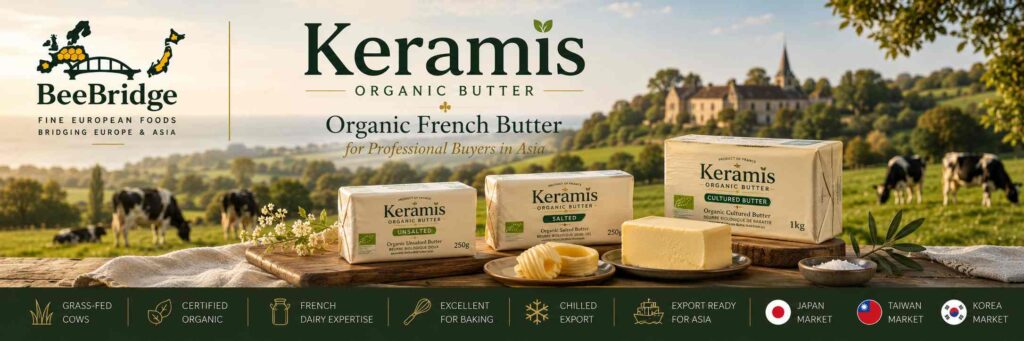
European Butter Is Not One Product
One of the biggest misconceptions outside Europe is that butter is simply butter. In reality, Europe produces one of the widest and most diverse ranges of butter in the world. Differences in climate, pasture, dairy breeds, cream preparation and regional traditions create products that vary dramatically in flavour, colour, texture and performance.
For professional buyers, these differences matter. A pastry manufacturer searching for butter with exceptional lamination properties has very different requirements from a luxury supermarket looking for an artisan retail product or a hotel chain seeking a reliable wholesale butter for everyday food service. Understanding these differences is the first step towards sourcing the right product.
The most common distinction begins with the cream itself. Sweet cream butter is produced from fresh cream and offers a clean, delicate flavour that works well across a wide range of culinary applications. Cultured butter follows a more traditional European process in which the cream is fermented before churning. This develops a deeper aroma, subtle acidity and greater complexity, making it particularly valued by artisan bakeries, pastry chefs and premium restaurants.
Production methods also play a major role. Traditional churned butter, often produced in smaller batches using slower techniques, develops a different texture from continuous industrial butter. While modern industrial production delivers outstanding consistency for large-scale food manufacturing, many artisan producers continue to use slower methods that prioritise flavour and character over maximum output.
The milk itself changes everything. Butter produced from cows grazing Alpine pastures develops different characteristics from butter made in lowland farming regions. Seasonal grasses, wild herbs, local forage and regional dairy breeds all influence the cream before it even reaches the dairy. These differences are often subtle, but they become increasingly important in premium retail, fine dining and artisan baking where butter is expected to contribute flavour rather than simply provide fat.
European regulations also contribute to this diversity. Organic butter follows certified production standards throughout the farming and manufacturing process. Grass-fed butter reflects feeding systems where cows obtain the majority of their nutrition from pasture. Protected geographical indications such as PDO, PGI and AOP recognise butter whose quality is directly linked to a specific region and traditional production methods, preserving techniques that have often been refined over centuries.
Professional users also evaluate butter by functionality. High-fat butter, generally standardised between 82% and 84% butterfat across Europe, contains less water than lower-fat alternatives. This improves dough stability, enhances lamination, produces flakier pastries and creates richer sauces. For this reason, European butter has become the preferred choice for croissants, puff pastry, brioche, beurre blanc and countless other professional applications.
Rather than treating all butter as a commodity, BeeBridge approaches European butter as a portfolio of specialised products. Every producer is selected because they bring something unique to the market, whether that is organic certification, Alpine milk, cultured cream, traditional churning, exceptional pastry performance or a protected regional origin. This allows importers to build product ranges that compete on quality, provenance and differentiation rather than simply on price.
For buyers across Japan and Asia, this diversity creates opportunities that are difficult to access through conventional wholesalers. Instead of choosing from a single manufacturer, BeeBridge provides access to a growing portfolio of European butter producers, allowing each customer to select products that best match their market, customer expectations and commercial strategy.
 High-Fat Butter (82–84%) — The Professional Standard
Across the EU, butter intended for professional use is typically standardized between 82% and 84% fat. This range provides the structural integrity required for pastry applications, particularly lamination processes such as croissants and viennoiserie.
Higher fat content reduces water content, improving:
- Dough consistency
- Layer separation
- Baking performance
This specification is not a premium feature in Europe — it is the baseline. However, when combined with origin and production method, it becomes a powerful differentiator in export markets.
Formats for Export

- 25kg blocks – standard for industrial and pastry use
- 10kg / 5kg blocks – flexible formats for mid-scale operations
- 1kg food service packs – suitable for horeca distribution
- 250g / 500g retail packs – private label and consumer markets
All formats can be aligned with export logistics, including chilled and frozen shipment depending on destination and transit time.
Rare and Differentiated Butter Supply
Beyond standard butter, the EU offers a range of differentiated products that remain underutilized in international trade:
- Cultured butter (fermented cream)
- Churned butter (traditional methods)
- Grass-fed and pasture-based butter
- Organic butter
- Region-specific butter with protected origin
These products provide opportunities for importers to move beyond commodity positioning and develop higher-margin product lines.
Export Structuring
BeeBridge coordinates the movement of butter from European producers to importers across Japan and Asia through a structured export process.
This includes:
- Supplier identification and alignment
- Consolidation across multiple sources
- Export documentation and compliance
- Labeling preparation for destination markets
- Logistics coordination (air and sea freight)
Shipments are structured based on confirmed demand, ensuring that supply is aligned before movement.
Commercial Model
Butter exports are handled on a wholesale, order-driven basis.
- Pallet and container volumes available
- Flexible sourcing across EU regions
- Product selection aligned with buyer demand
- Rapid transition from inquiry to shipment
This model allows BeeBridge to operate without holding unnecessary stock, while maintaining the ability to scale supply as demand increases.
European butter offers a spectrum of supply that ranges from industrial scale to highly specialized, origin-driven production. BeeBridge operates within this spectrum, structuring supply to match the needs of importers and distributors across Japan and Asia.
By combining high-fat standardization with regional sourcing and coordinated export execution, butter can be delivered as both a reliable commodity and a differentiated product category.